Skip to the pledge form
Birbhum Pledge a way to help

Village libraries · nine courtyards · Birbhum

A shelf, a mat, a didi with the register. That is a library.

Boi Uthon runs nine small libraries in village courtyards and verandahs across Birbhum — a few hundred books each, open evenings, a keeper-didi paid a fair honorarium, and an issue register that shows what actually gets read. No building fund, no inauguration stones: shelves, books, light and a reliable open hour. This page costs all four openly, and a tenth courtyard is waiting.

The work, this month
Nine libraries open five evenings a week; the issue registers running
Where
Village courtyards and verandahs across Birbhum district, West Bengal
How giving happens
Bank or UPI to the society, receipted — never cash at a courtyard, never on this page

The issue register is the truth of each library: what went out, what came back, what the children asked for that we do not have. Those registers — not a readers-created count — are the only numbers this page will ever speak in.

For Donors who want books on shelves and a didi paid to keep them · People with good Bangla and Hindi books outgrowing their homes · Anyone who can read aloud to a courtyard once a month

One library's month
Your 80G & 12A numbersgo here exactly as the certificates read, checkable on the income-tax portal — an invented registration is an offence; the empty cell is legal
The didis are paidevery keeper's honorarium is fair, monthly and printed in the quarterly sheet — a library run on an unpaid woman's spare time closes within the year
Books follow the registernew titles are bought against what the issue registers show wanted, not what donors think villages should read
₹0 on this pagenothing is collected here. A pledge is recorded, and the office replies with how giving actually works

These four are promises this page makes on your behalf. Keep them or change them — they are not decoration.

Ways to give or join

Ways to keep the shelves, costed openly

Every figure is the network's actual cost this year: children's books at the College Street wholesale rate, a keeper-didi's monthly honorarium, kerosene-free solar lamps for courtyards where the current fails, and the carpenter's bill for a shelf that survives monsoon damp. A library here is cheap the way a boat is cheap — as long as someone is paid to bail.

One-time

One shelf of new books

Thirty new books at wholesale — bought against the registers' wish-lists: Bangla stories and poems, Hindi and English readers, the science-question books children actually fight over.

  • Thirty titles from the registers' own wish-lists
  • Bought at College Street wholesale, billed
  • Stamped, entered and shelved within the month
₹2,600thirty books
Monthly

One library's month

The keeper-didi's honorarium, the lamp's upkeep, register stationery and the mending tape that keeps a loved book alive — one courtyard's whole month, honestly divided.

  • The didi's fair honorarium share, printed quarterly
  • Light, registers and repairs for one library
  • That library's monthly issue summary, if you ask
₹1,900a month

One-time

The tenth courtyard, opened

A new library's whole start: the carpenter's shelves, mats, a solar lamp, the first two hundred books at wholesale, and the opening month's honorarium. A village has already asked; the courtyard is waiting.

  • Shelves, mats, lamp and the first two hundred books
  • The village committee's agreement in writing first
  • Opened quietly — the first issue register entry is the inauguration
₹18,000one library

Volunteer

A reading-aloud Sunday

One Sunday a month, one courtyard, one story read properly — with voices. The didis say a good reader doubles the next week's issues, and the registers back them up.

  • A fixed courtyard and Sunday, so children can wait for you
  • Books chosen with the didi the week before
  • Bangla readers needed most; Hindi and English welcome
Freegive time

In kind

The book gate

Children's and general books in good condition, Bangla first — brought or couriered to the Suri office, checked against the wish-lists, stamped and distributed by register demand.

  • The current wish-list, so gifts match wants
  • Every accepted book stamped and entered
  • No torn textbooks, no religious tracts, no encyclopaedia sets from 1988 — the shelves are small and the children are honest critics
Freegive things

Pick the way you want to help and it lands in the form below. Picking another replaces it — this page records one intention at a time, not a basket. NO MONEY MOVES ON THIS PAGE: nothing is charged, deducted or collected here, and how giving actually happens is written under the form.

Pledge a way to help

On the ground

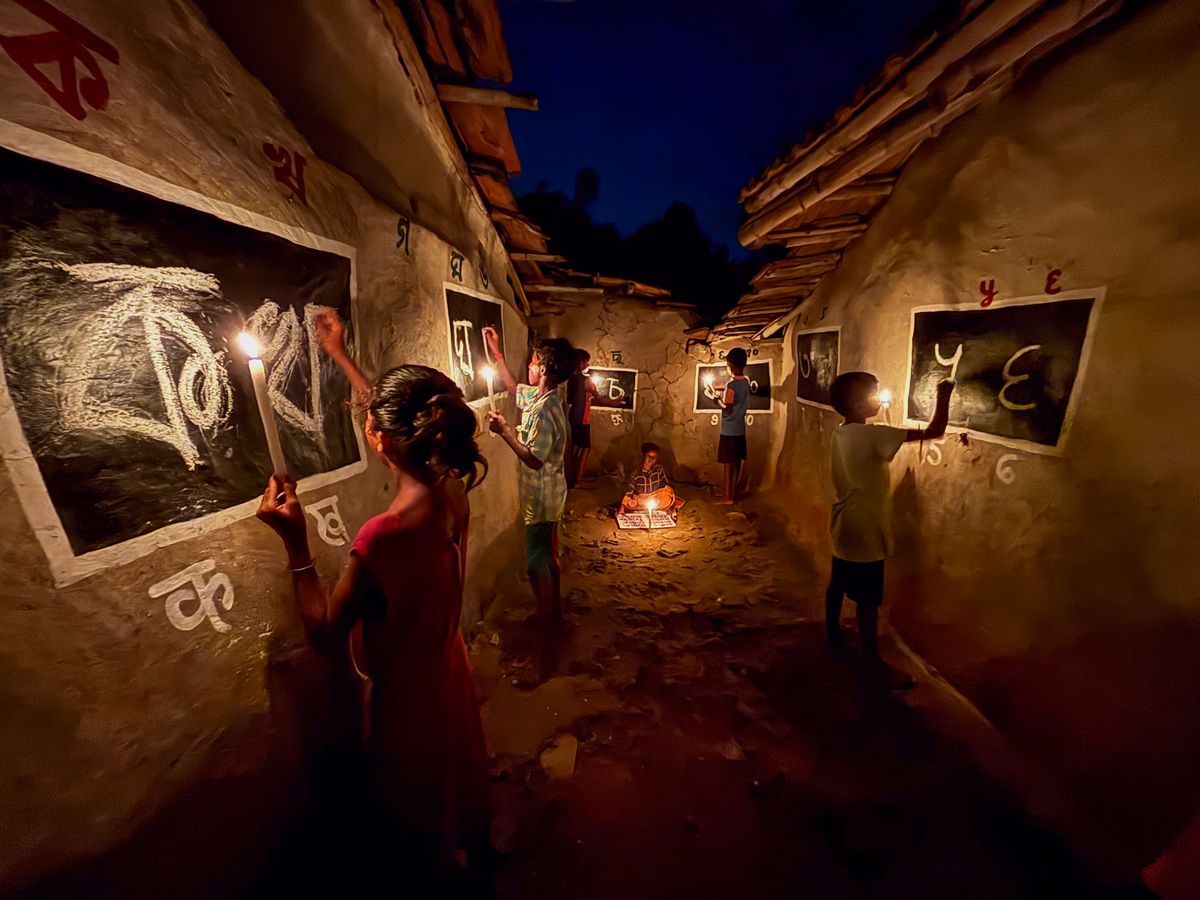
The courtyards at open hour

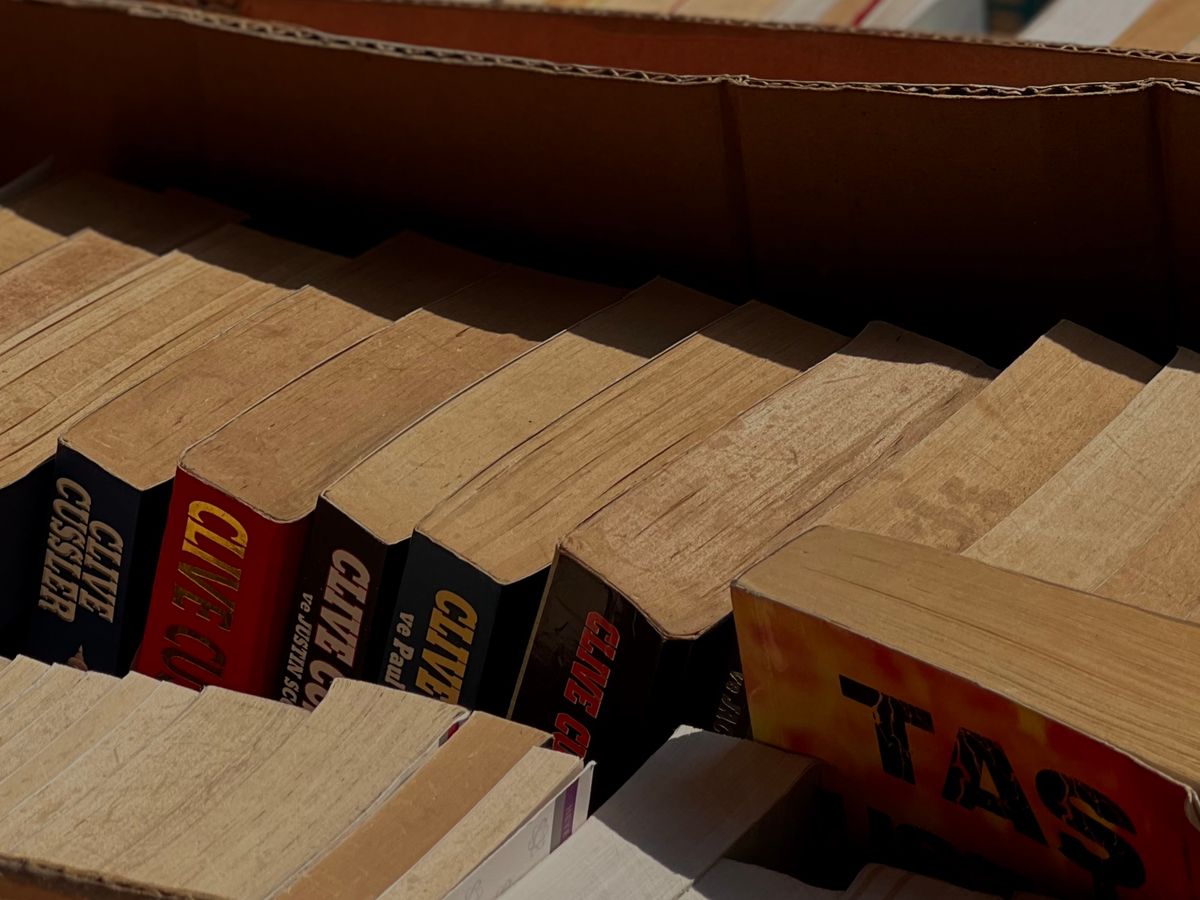
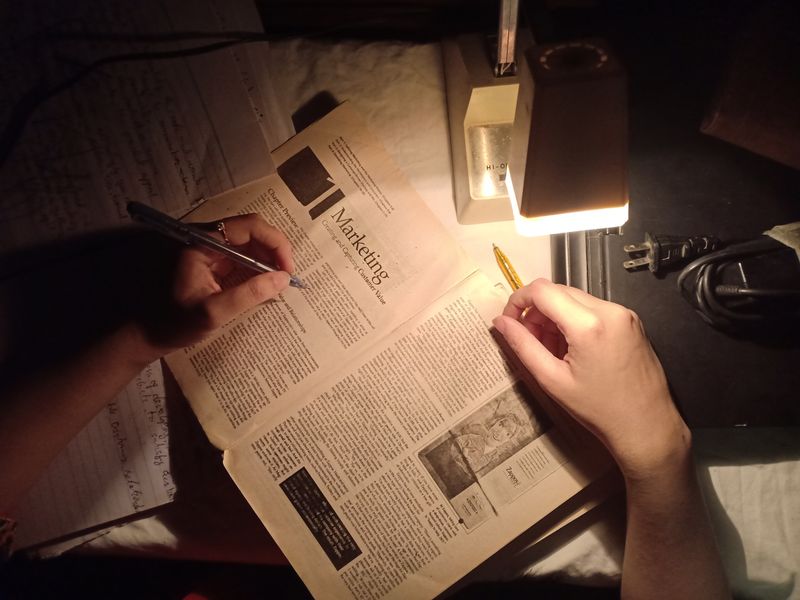
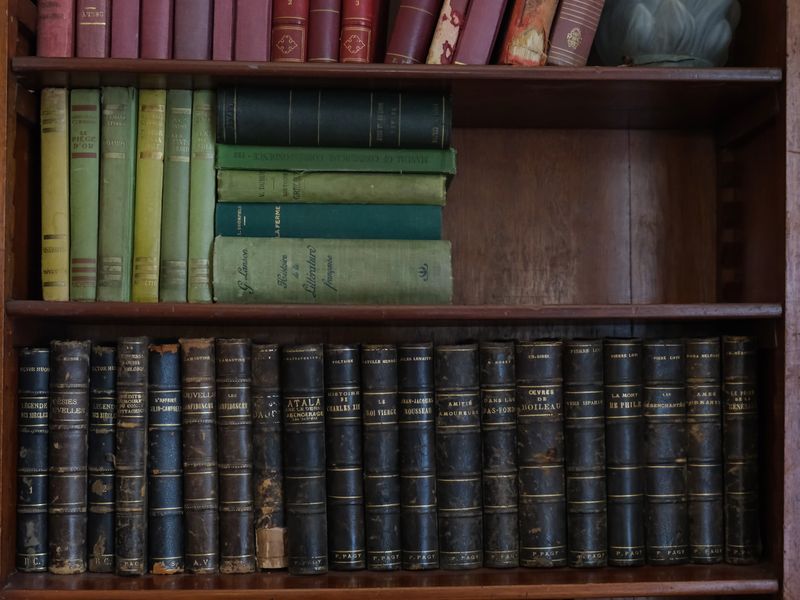
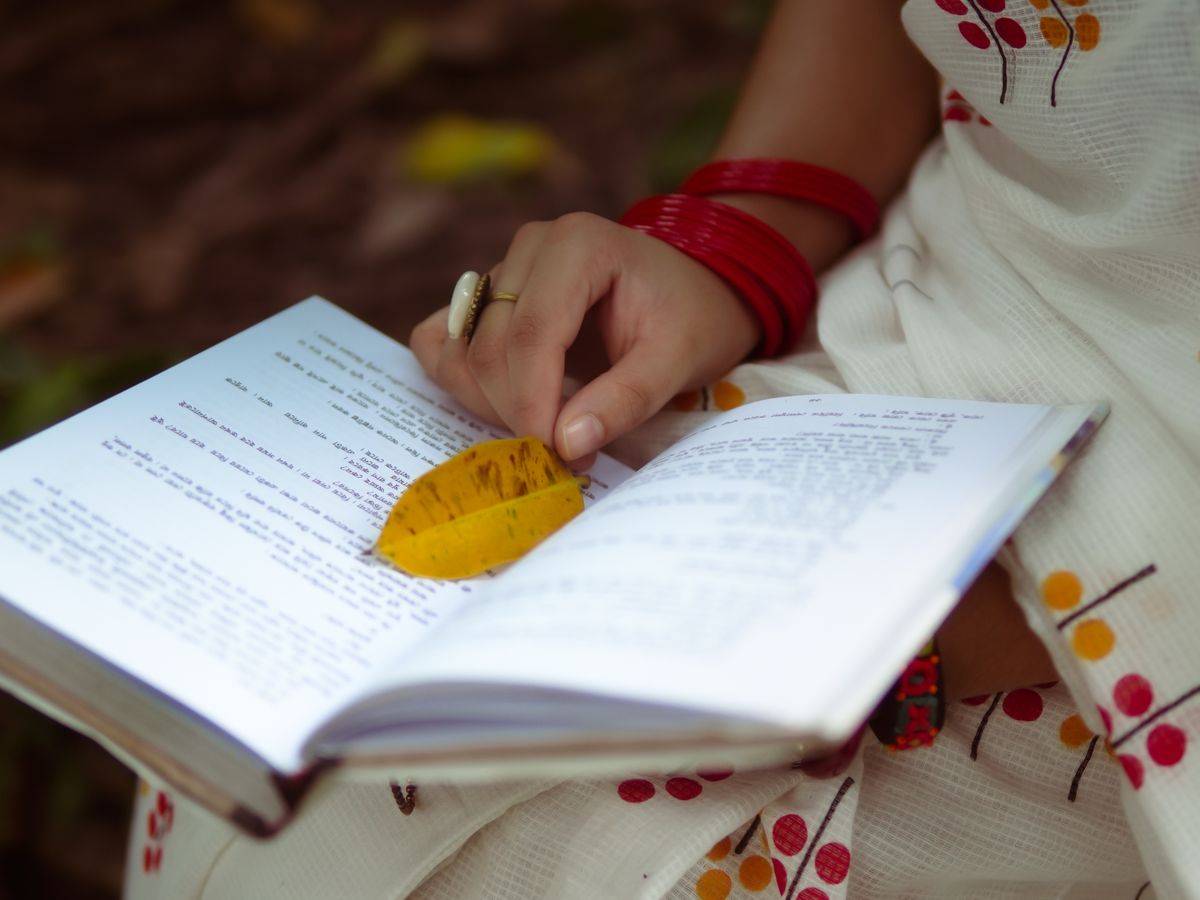
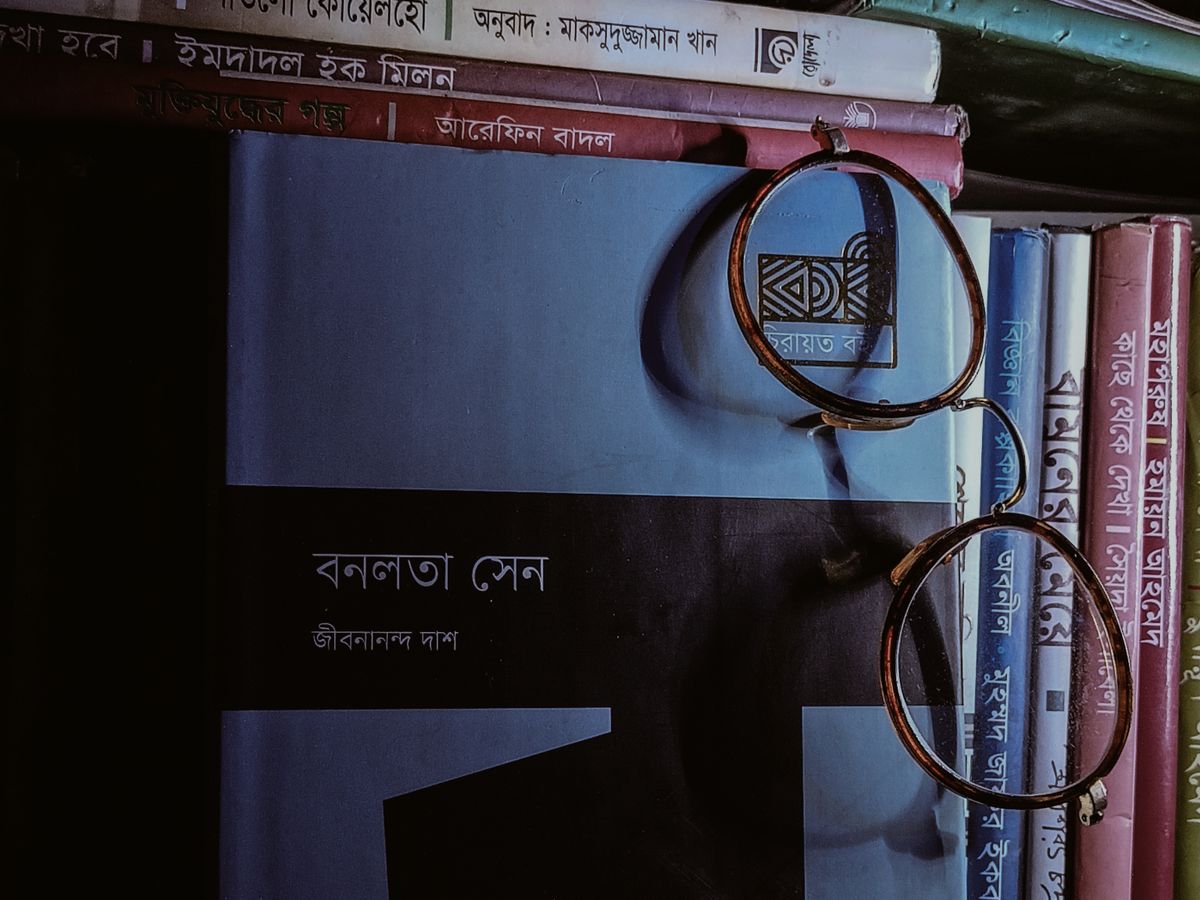
No staged reading-circle photography with washed faces and new clothes — the libraries look like the villages they live in, which is the point. These frames are placeholders for your own courtyards at their real open hour. Children's faces only with guardians' consent.

Open hour on the verandah
The issue register in the didi's hand
The shelf, monsoon-proofed and full

How giving actually happens

Paste the society's bank account name, number and IFSC here, and the UPI ID if you use one — exactly as the bank has them. State plainly that nobody collects cash at the courtyards in the network's name.
This template takes no money and has no donate button on purpose. Publish the one real rail here and disown every other.

Words you have permission to print

A keeper-didi, a village committee member or a young reader's guardian, in their own words, with their name — collected with written permission; a child's words only with a guardian's consent.
The didis know these libraries better than any donor report ever will. One of their plain sentences, printed exactly, is this page's best furniture.

Your honest record

Last quarter's register summaries, dated: open evenings held, issues by library, books added, money in and what it bought. The audited annual figures go here exactly as the auditor wrote them.
Issues from the registers — never 'readers created' or 'lives changed by books'. A library's honest number is the register's, and it is a good enough number to stand alone.

The frames above are placeholder photographs of the kind of work this page is about — not this organisation's own record, and never a person whose face buys sympathy. The slots below are deliberately blank: this is a template, and an invented beneficiary count, an invented donor or an invented 80G number would be a lie on a page asking people to give — and inventing the tax registration is an offence. Fill each slot with something real and checkable, then delete this line.

How it works

From this form to an issue register

Three steps, and money moves only to the society's account, only against a receipt.

  1. Tell us how you want to help

    The form records what you picked and how to reach you. Nothing is charged here — this page cannot take money, by design. Villages wanting a library write through their committee; the same form carries that too.

  2. The office writes back

    Within the week, with the account details and receipt mechanics — or the wish-list for book gifts, or the reading rota, or the site-visit plan for a tenth-courtyard pledge.

  3. Read what they read

    The quarterly sheet summarises every register: evenings open, issues, additions. Better still, come to an open hour — the children will recommend books to you with great firmness.

Give here if

  • You want the keeper paid and the lamp lit — the parts that keep a library open past its photograph
  • You accept that the registers, not donors, choose the books
  • You can read aloud, reliably, one Sunday a month

Give elsewhere if

  • You want a building with your name over the door — these libraries live in borrowed courtyards on purpose
  • You want to curate what villages read — the wish-lists are written by the readers
  • You want this page to take your money now — it will not, by design

Before you give

Questions people ask before giving

Why courtyards instead of a proper building?

Because a building eats the book budget and then asks for a watchman. A courtyard library sits inside village life — the didi lives there, the children pass it anyway, and the rent is a relationship with the host family, renewed in respect and occasionally in mangoes. The money stays in books and honorariums, where it reads.

What gets read? Do the children actually come?

The issue registers answer this better than we could: they are summarised every quarter, library by library, and the didis will show you the originals at any open hour. Registers have slow months and monsoon gaps too, and we publish those as they fall — a library's truth is seasonal, like everything else here.

Why do you insist on paying the keeper-didis?

Because every closed village library we have ever surveyed died the same death: it ran on an unpaid woman's goodwill until her family needed her hour back. The honorarium is modest, fair and printed in the quarterly sheet. It is the difference between a library and a bookshelf.

Can I donate my old books?

Good ones, gladly — against the wish-list, Bangla first, checked at the office before shelving. We say no, kindly, to torn textbooks, outdated encyclopaedias and anything unreadable that would make the shelves a cupboard of guilt. The children notice quality faster than any librarian.

Is my donation tax-deductible?

Only if the 80G cell at the top carries a current number, checkable on the income-tax portal. The office shares the certificate before any transfer; an empty cell means ask first.

The one thing this page asks

Pledge a way to help

One form, one intention. The office replies within the week — nothing is charged or collected here.

You want to help with

Nothing yet — pick a way to give above, or say it in the form.

Filled in when you pick a way to give above. You can also just type it.

The office replies here, once. No appeal calls follow.

Three required fields: a name, a way to reply, and which of four conversations this is — a donor, a reader, a book-giver and a village committee each get a different reply, and the last one gets a visit. Deliberately absent: any amount field (the cards carry the costs), any PAN (that belongs with the 80G receipt at donation time), and any payment field — this page records intentions and takes nothing.

Your details go to the society's office for this one reply and the reading rota if you joined it. Never sold, no appeal calls, and no child's name leaves an issue register.