Skip to the pledge form
Vrindavan Pledge seva

Gaushala · 62 animals · Vrindavan

Sixty-two animals, fed before anything else is paid for.

This is a shelter, not a dairy: the animals here are old, lame or abandoned, they give nothing back, and that is the point. The fodder bill comes first every month, the vet's bill second, and this page prices both openly so your seva buys hay you could come and touch.

The herd, this month
62 animals — 41 cows, 13 bullocks, 8 calves — none milked for sale
Where
Three sheds on the Charnauli road, twenty minutes outside Vrindavan
How giving happens
Bank or UPI to the trust, receipted — never cash to anyone at the gate, never on this page

The herd count is chalked on the feed-room board and changes when an animal arrives or dies. We do not announce arrivals as rescues with music; a shelter's register is quieter than that.

For People who want their gau seva to buy fodder, not marble · Families sponsoring a named animal's upkeep · Volunteers for the morning feed rounds

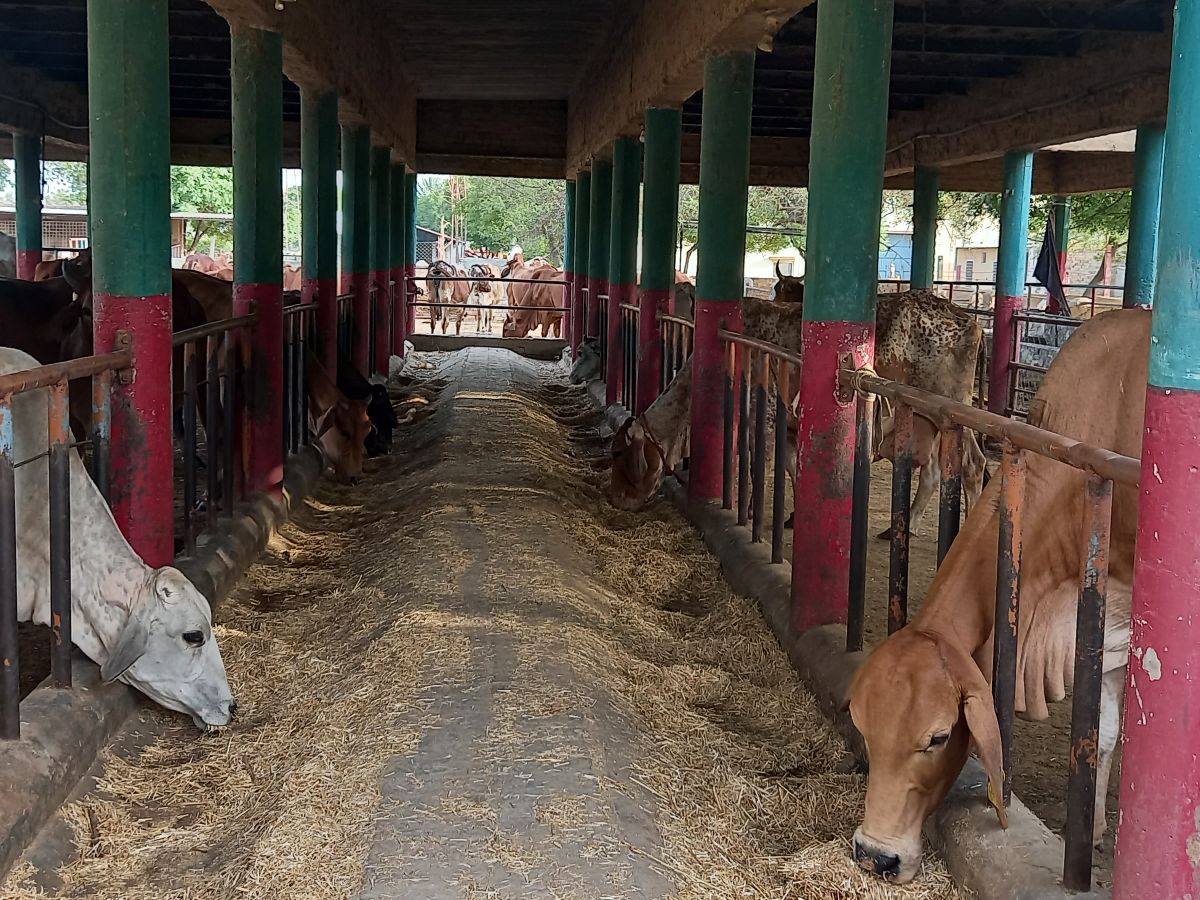
The morning feed, troughs filling
Your 80G & 12A numbersgo here exactly as the certificates read, checkable on the income-tax portal — an invented registration is an offence; the empty cell is legal
Fodder firstthe month's fodder and vet bills are paid before any building, festival or fitting — that order is this trust's standing rule
Not a dairyno milk is sold and none is promised to donors. Calves drink first; the kitchen uses what little is left
₹0 on this pagenothing is collected here. A pledge is recorded, and the office replies with how seva actually reaches the feed room

These four are promises this page makes on your behalf. Keep them or change them — they are not decoration.

Ways to give or join

Ways to do seva, costed openly

Every figure is this year's actual cost at Vrindavan mandi rates — green fodder by the trolley, bhusa by the quintal, the vet by the visit — divided honestly across sixty-two animals. Feed costs move with the season, and when they move, these cards move; a fodder price that never changes is a fodder price nobody is checking.

Monthly

One animal's full month

Fodder, bhusa, the vet-visit share and the keeper's share for one animal for one month — the whole honest cost, not the poster's rounder number.

  • Roughly ₹85 a day of feed at current mandi rates
  • The animal's share of the monthly vet round
  • Sponsor the same animal by name, month after month, if you wish
₹2,750a month
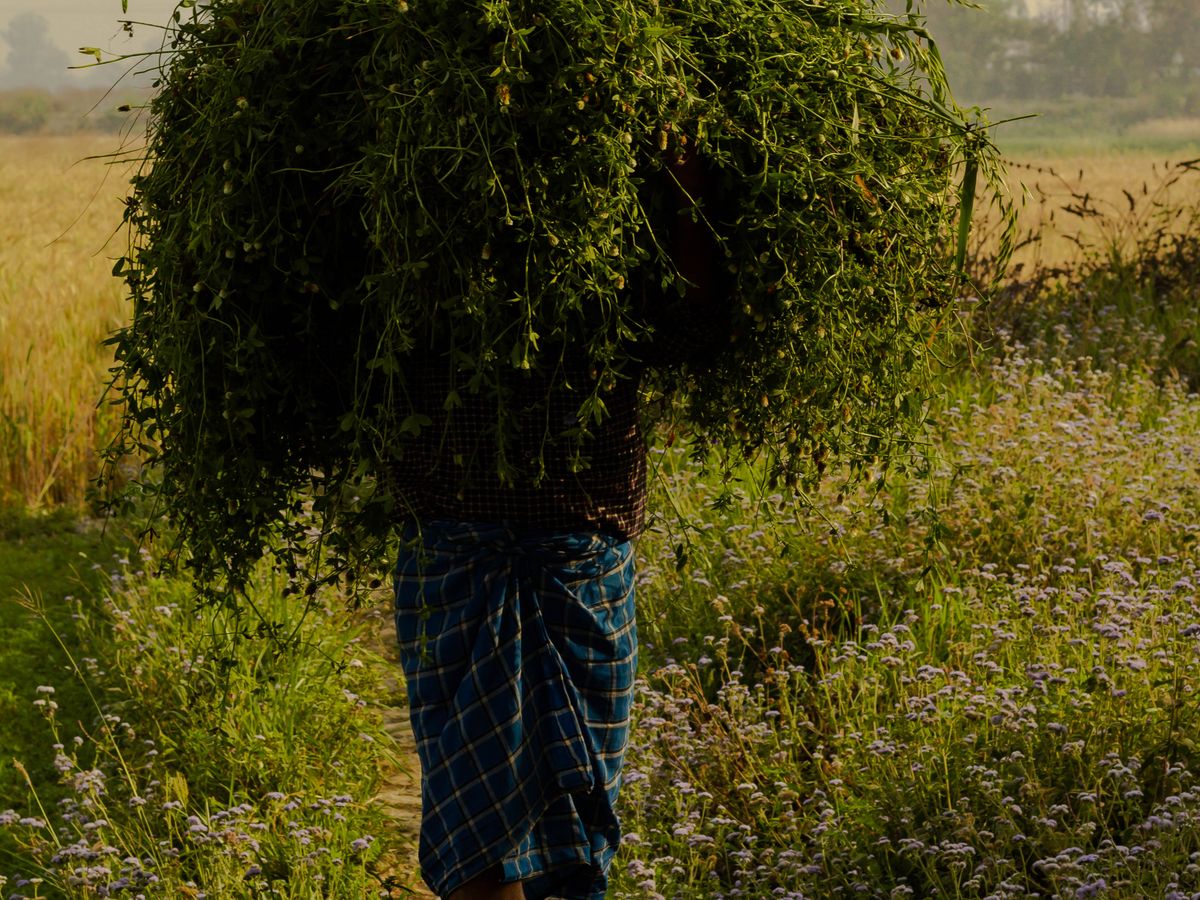
One-time

One day's green fodder, whole herd

A trolley-load split across the sheds — what all sixty-two animals eat between sunrise and dusk. Families often give this for a remembrance day.

  • A day's green fodder at mandi rate, receipted
  • Given on the date you name, where the calendar allows
  • You are welcome to be at the morning feed that day
₹4,200one day

Monthly

The medicine cupboard, one month

Wound dressings, deworming, the drip sets an old herd runs through. The least photographed shelf in the gaushala and the one that runs out first.

  • A month's share of dressings and deworming
  • The vet's visit book open to any donor who asks
  • Unspent balance rolls to next month, in writing
₹1,100a month

Volunteer

Morning feed rounds, twice a week

Six to eight in the morning: hauling, chopping, filling troughs, and learning which of the old ones eats slowly and must not be hurried.

  • A fixed pair of mornings, so the keepers can plan
  • Work clothes stay at the shed; you will need chappals that can be hosed
  • No photography of the sick pens — the animals' dignity is not content
Freegive time

In kind

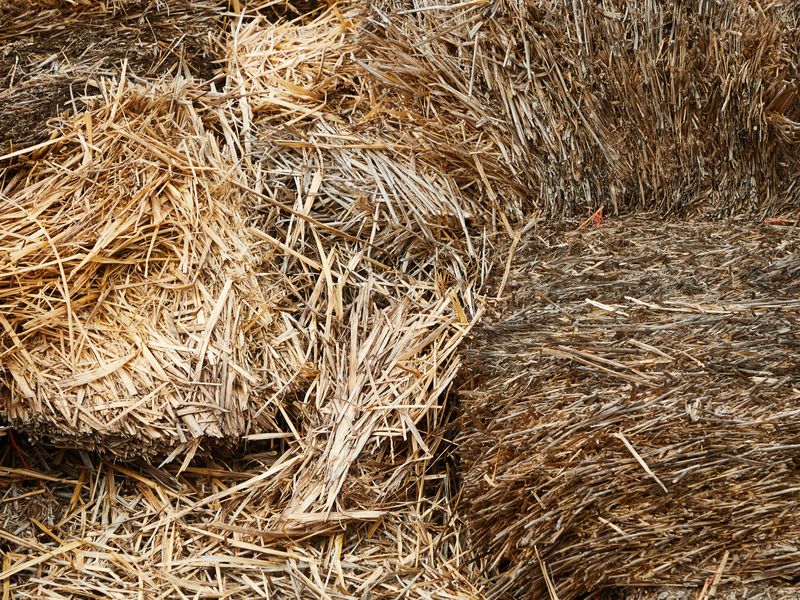
The bhusa barn, before winter

Dry fodder by the quintal, tarpaulins, and rock salt — the things the barn must hold before December. Brought to the shed, weighed on our own scale, entered in the stock book.

  • The barn's shortfall list, updated after each delivery
  • Your load weighed and receipted while you watch
  • No festival sweets or garlands — the herd cannot eat your kindness in that form
Freegive things

Pick the way you want to help and it lands in the form below. Picking another replaces it — this page records one intention at a time, not a basket. NO MONEY MOVES ON THIS PAGE: nothing is charged, deducted or collected here, and how giving actually happens is written under the form.

Pledge seva

On the ground

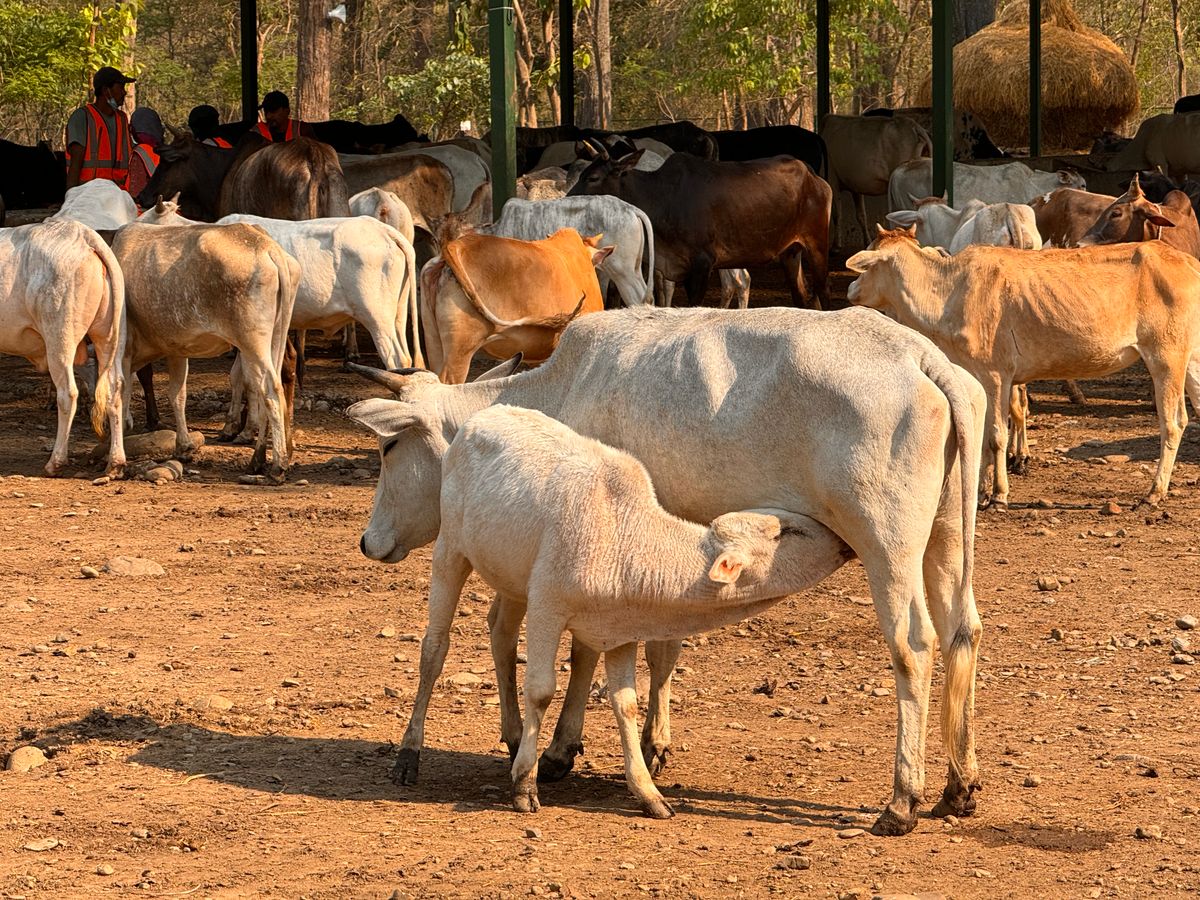
The sheds on an ordinary morning

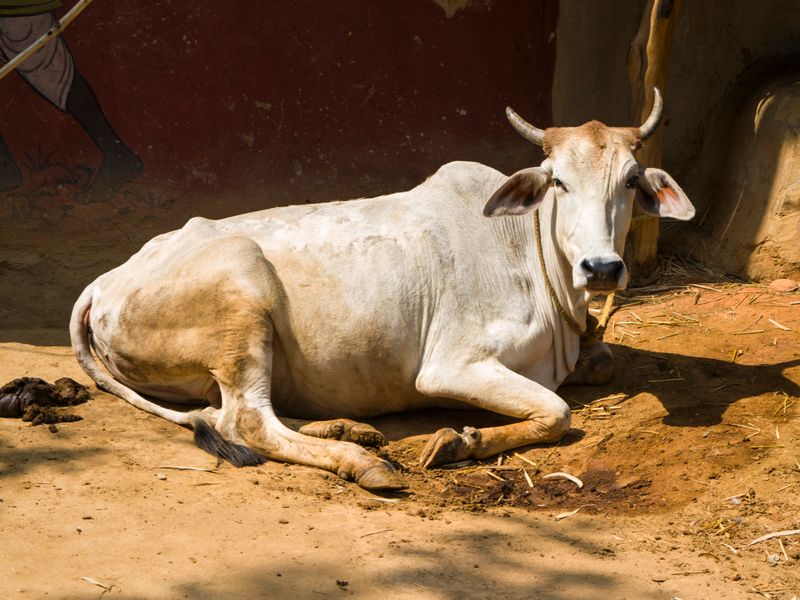
No garlanded festival photography and no suffering-for-sympathy. These frames are placeholders for your own sheds on a working day — animals in care and at ease, feed being moved, the register being kept. Never the sick pens.

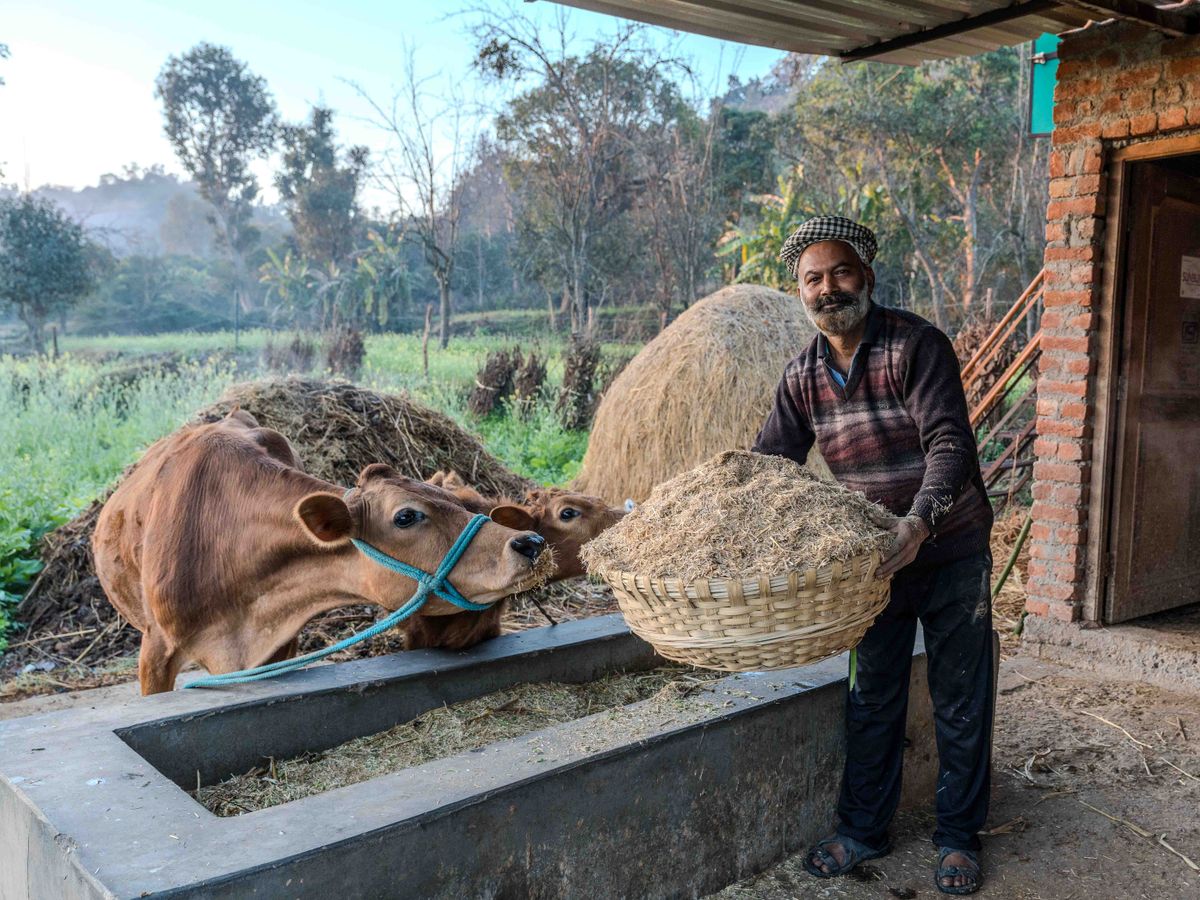
The morning feed, troughs filling
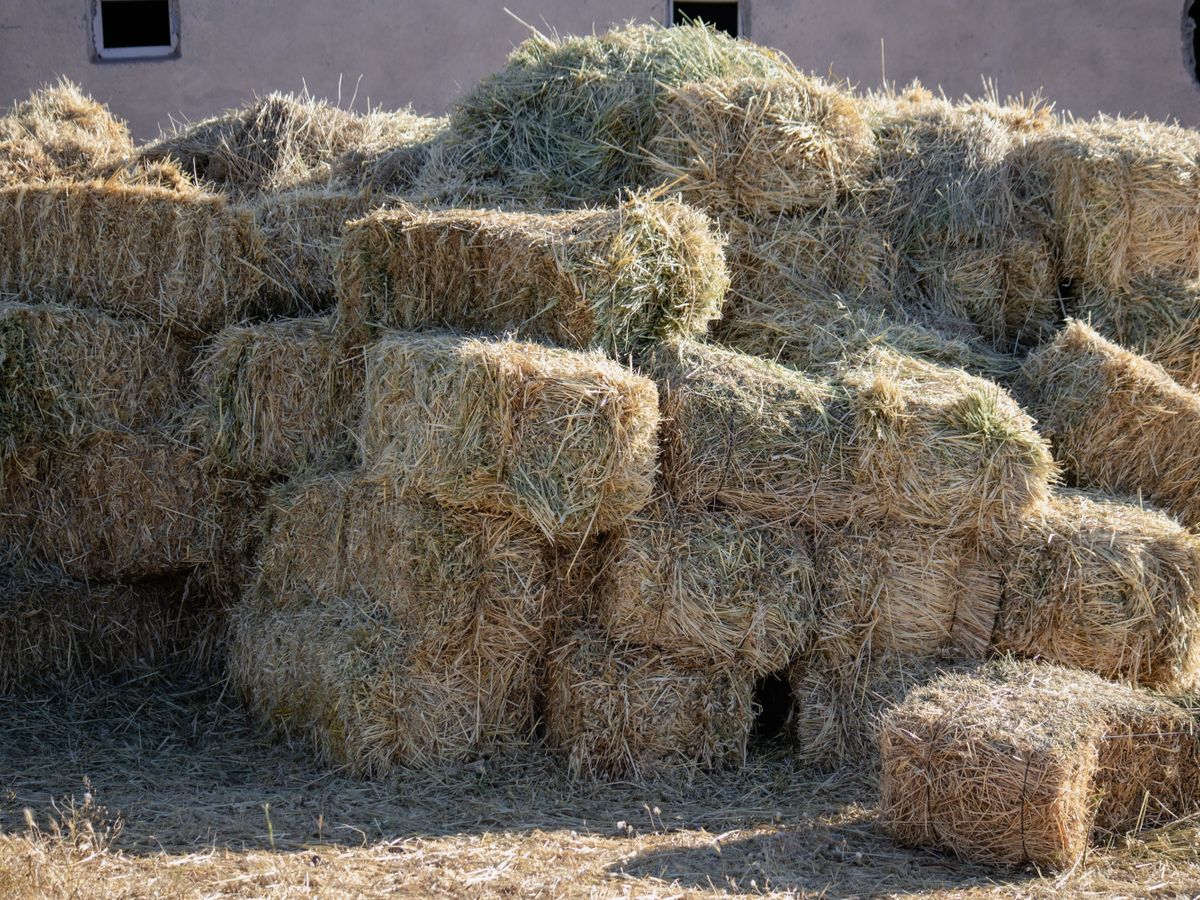
The bhusa barn, stocked
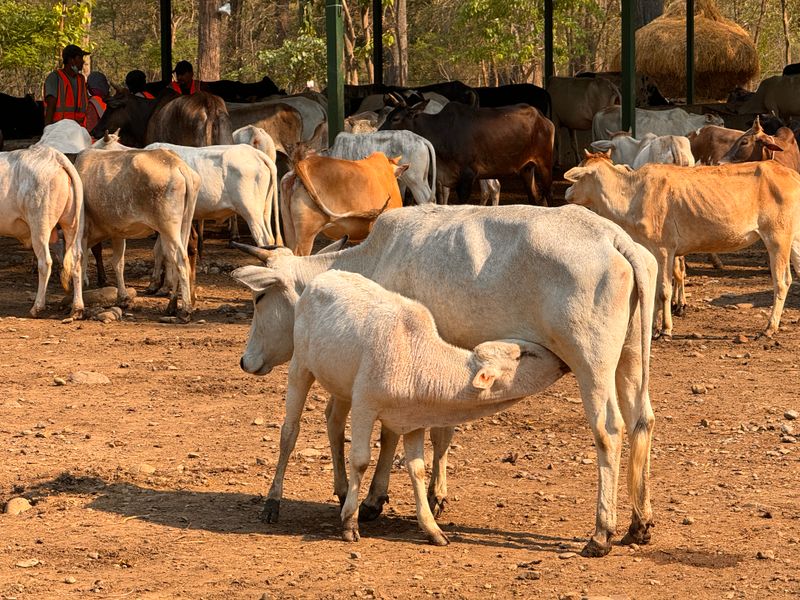
An old cow at ease in the shade

How seva actually happens

Paste the trust's bank account name, number and IFSC here, and the UPI ID if you use one — exactly as the bank has them. State plainly that nobody is authorised to collect cash at the gate or door-to-door in the trust's name.
Door-to-door gau seva collection is this trade's oldest leak. This template takes no money by design; publish the one real rail here and disown every other.

Words you have permission to print

A long-standing donor or a volunteer, in their own words, with their name — collected with written permission.
A testimonial nobody said is worse than none. One real sentence from the man who has hauled fodder every Tuesday for a year outweighs a paragraph you wrote yourself.

Your honest record

Last quarter's numbers, dated: what came in, what fodder and vet care it bought, and the herd register's movements — arrivals and deaths both. The audited annual figures go here exactly as the auditor wrote them.
A shelter that only ever announces arrivals is hiding its deaths. An old herd dies; the honest register says so, and donors trust the register that does.

The frames above are placeholder photographs of the kind of work this page is about — not this organisation's own record, and never a person whose face buys sympathy. The slots below are deliberately blank: this is a template, and an invented beneficiary count, an invented donor or an invented 80G number would be a lie on a page asking people to give — and inventing the tax registration is an offence. Fill each slot with something real and checkable, then delete this line.

How it works

From this form to the feed room

Three steps, and money moves only to the trust's account, only against a receipt.

  1. Tell us the seva you intend

    The form records what you picked and how to reach you. Nothing is charged here — this page has no way to take money, which is deliberate.

  2. The office writes back

    Within the week, with the account details and receipt mechanics. If you asked to sponsor a named animal, you will get the animal's page from the herd register — age, condition, what it eats.

  3. Come to a morning feed

    Seva you can stand in the middle of. The feed-room board shows the month's bills; the stock book shows your quintals; the herd does the rest.

Give here if

  • You want fodder bills paid, plainly, before anything ornamental
  • You accept that an old herd gives nothing back — that being the point
  • You would rather see a stock book than a ceremony

Give elsewhere if

  • You want milk, ghee or panchagavya in return — this shelter sells nothing
  • You want your name painted on a shed — the paint budget is the fodder budget
  • You want to hand cash to someone at the gate — nobody here is allowed to take it

Before you give

Questions people ask before giving

Why does one animal cost ₹2,750 a month when other gaushalas quote less?

Some quote the fodder alone; ours includes the vet share and the keeper's share because an animal is not fed by hay only. Some large shelters also grow their own fodder, which we do not yet. The arithmetic is on the card and the bills are at the shed — compare freely.

Do you sell milk?

No. Most of our animals are past milking, the few lactating cows feed their calves first, and the trust deed forbids sale. If anyone offers you Charnauli milk or ghee, they are not us.

How do I know my money bought fodder and not marble?

The standing rule in the strip above — fodder and vet first — plus the quarterly sheet in the proof section, plus the feed-room board any visitor can read. We are also plain about the reverse: if the trust ever builds, it will say so before, not after.

Someone came to my door collecting for a gaushala. Was that you?

No. Nobody collects cash in this trust's name at doors or gates — that is written above and it has no exceptions. Give only by the account and UPI the trust itself publishes, and take a receipt.

Can I visit before giving anything?

Please do — mornings are best, feed time is honest time. No appointment needed; the sick pens are closed to visitors because recovery is not a spectacle.

The one thing this page asks

Pledge your seva

One form, one intention. The office replies within the week — nothing is charged or collected here.

You want to help with

Nothing yet — pick a way to give above, or say it in the form.

Filled in when you pick a way to give above. You can also just type it.

The office replies here, once. Nobody calls you on festival days with appeals.

Three required fields: a name, a way to reply, a channel. There is deliberately NO amount field — the card you picked carries the honest cost, and money is discussed with the office against a receipt. No PAN here (it belongs with the 80G receipt at donation time, not in a web form), and no card or UPI field, ever: a donation page that takes money nobody audits is the thing this template refuses to be.

Your details go to the trust's office for this one reply and are not added to any appeal list. They are never sold, and nobody will collect at your door because of this form.