Skip to the pledge form
Hyderabad Pledge a way to help

Heritage society · lime, not cement · Hyderabad

The old city is being lost one doorway at a time. Measure first.

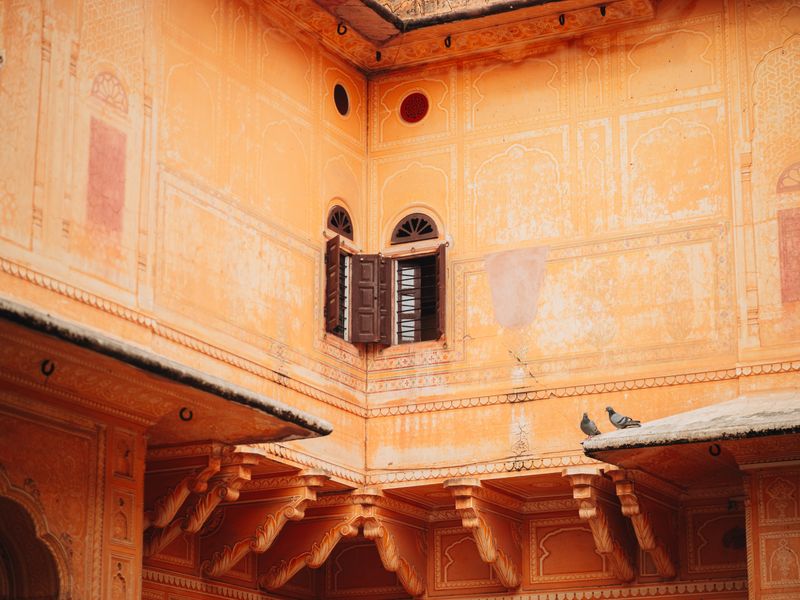
Hyderabad's deodis and old-city houses come down quietly — a carved doorway this year, a wooden balcony the next. Deodi Dost is a society of surveyors, students and craftsmen who document what stands, with owners' consent, and mend small things properly: lime plaster where cement would kill the wall, a carpenter who still knows a teak bracket. We work only on private houses whose owners invite us; the protected monuments have their own guardians and we are not them.

The work, this month
Two houses under measured drawing; one balcony's lime-and-teak repair underway
Where
The old city's lanes, Hyderabad — private houses, by their owners' invitation only
How giving happens
Bank or UPI to the society, receipted — never cash on a site, never on this page

Every document and repair happens under a written owner's consent, and every drawing is the owner's copy first, the archive's second. Nothing here touches ASI or state-protected monuments — that is the law's work, not a society's.

For People who love the old city's lanes and want them measured before they fall · Donors who fund lime, teak and apprentice hands · Owners of old houses who want honest advice before the sledgehammer

One doorway, measured and archived
Your 80G & 12A numbersgo here exactly as the certificates read, checkable on the income-tax portal — an invented registration is an offence; the empty cell is legal
Owners' consent, in writingno house is measured, photographed or published without its owner's signed consent — a lane's trust is the society's licence
Lime, not cementrepairs use the wall's own chemistry — lime, surkhi, teak — with the mason's method noted in the file
₹0 on this pagenothing is collected here. A pledge is recorded, and the office replies with how giving actually works

These four are promises this page makes on your behalf. Keep them or change them — they are not decoration.

Ways to give or join

Ways to keep the lanes, costed openly

Every figure is a real trade's real rate in this city: a surveyor-led measured drawing priced by the day, lime plaster by the square metre at a heritage mason's quote, an apprentice's fair monthly stipend. Conservation is mostly patient labour at honest wages, and the cards say whose.

One-time

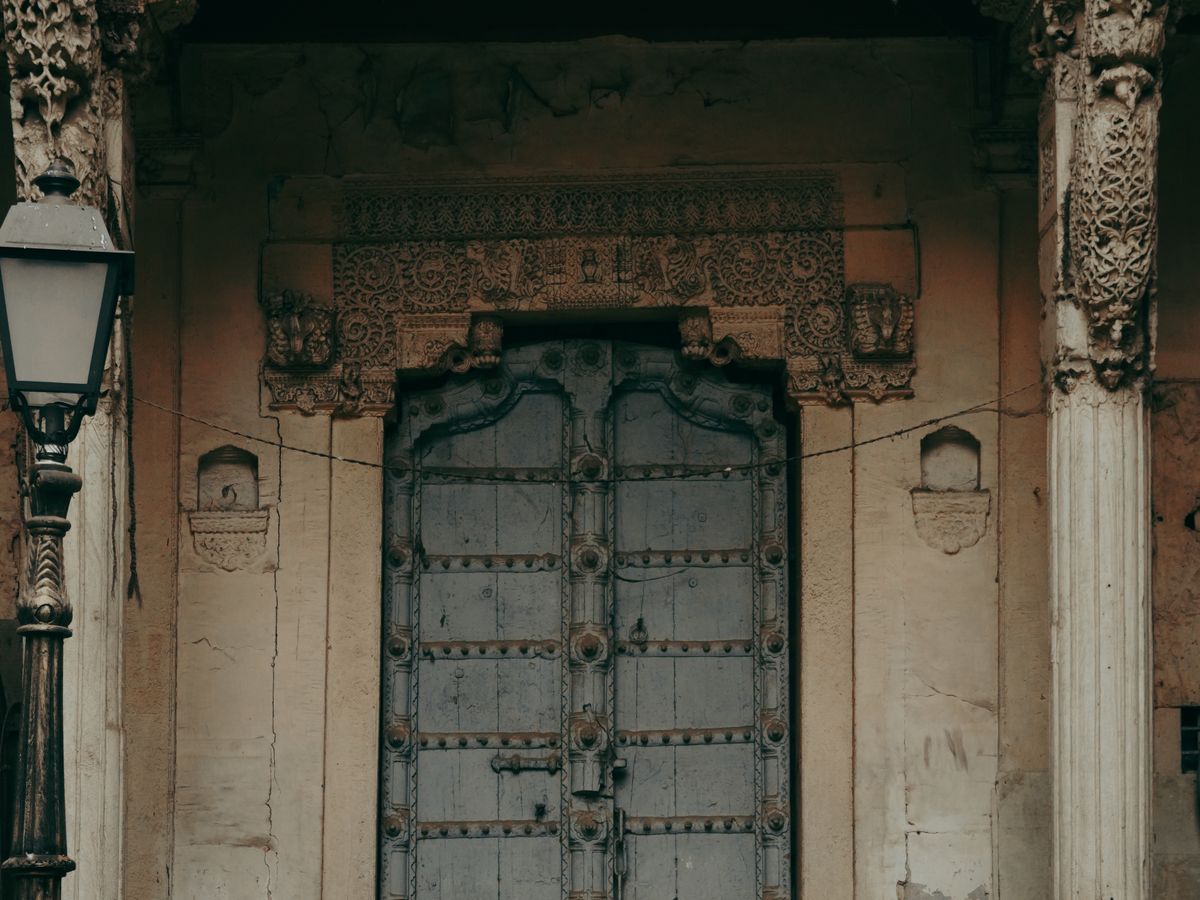
One doorway, measured and archived

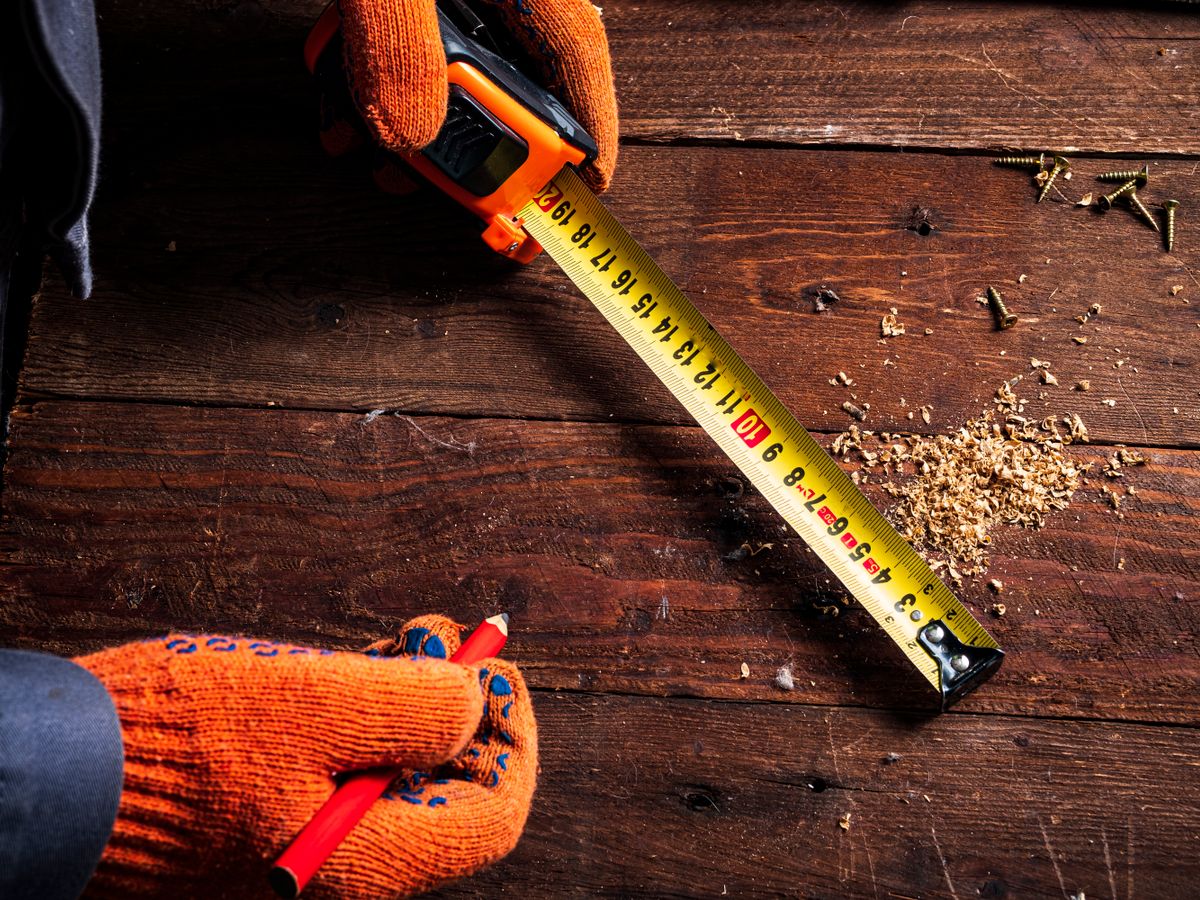
A carved doorway or window measured, drawn and photographed to archive standard in one field day — the record that survives whatever the lane decides later.

  • Measured drawing, photo set and a written note
  • The owner's copy delivered first, free, always
  • Archived with the society and shared with scholars on request
₹1,800one doorway
One-time

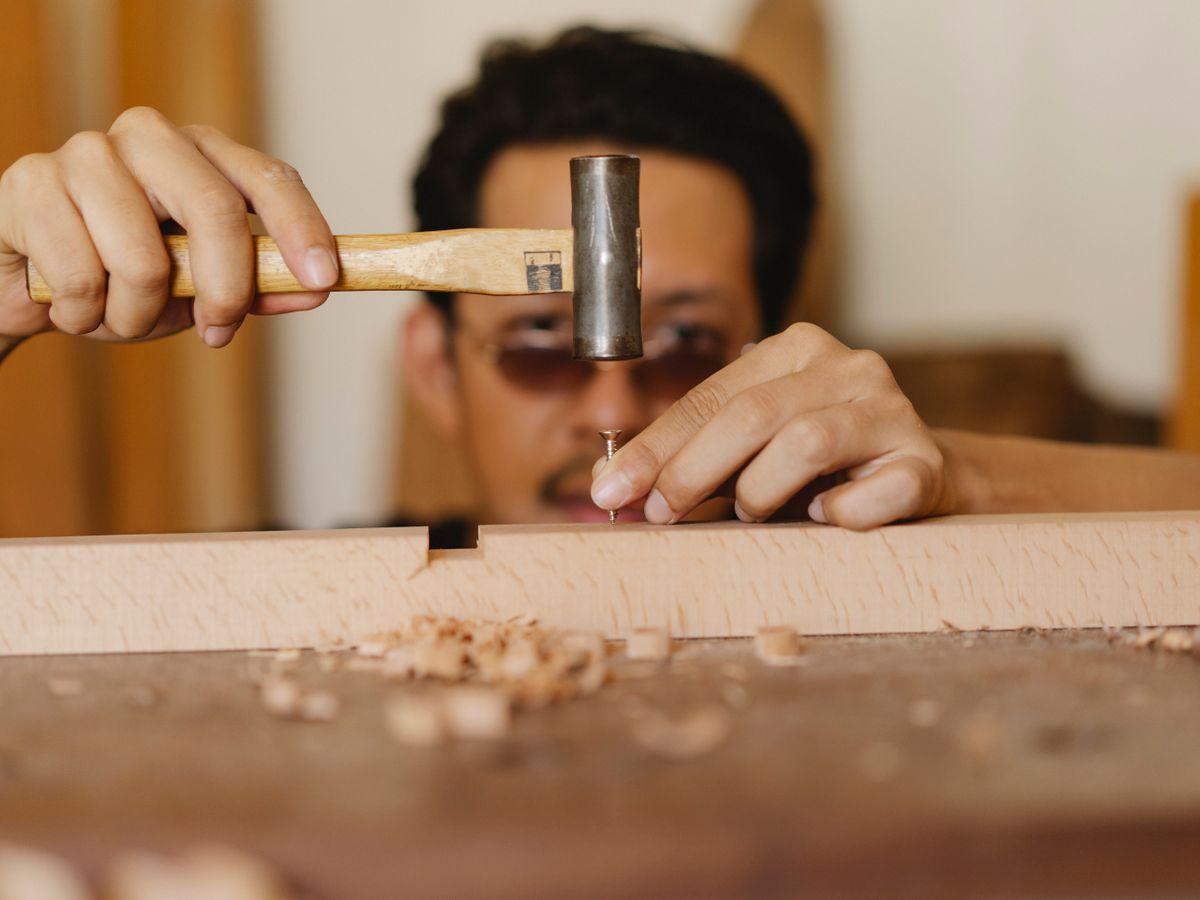
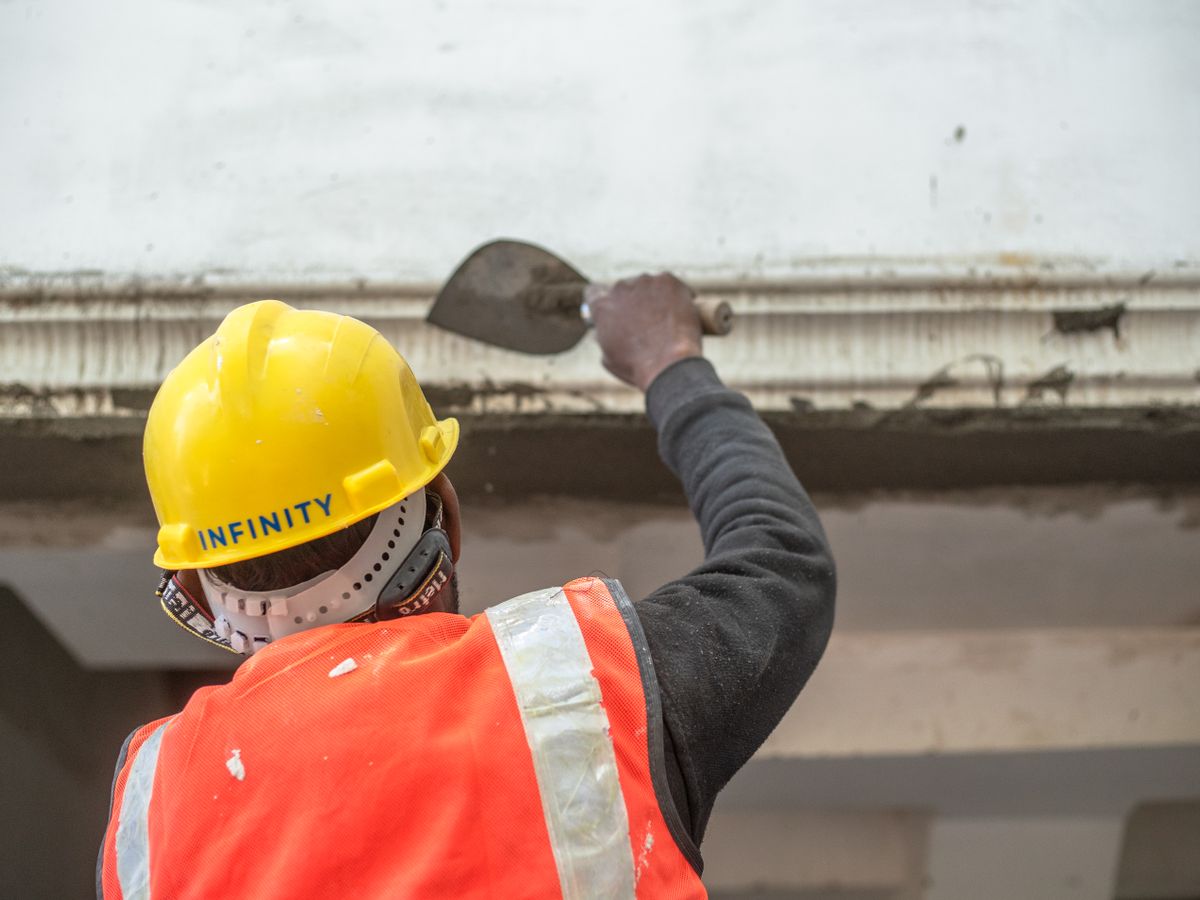
One balcony or bracket, mended right

A wooden balcony rail, a teak bracket, a metre of lime plaster — one small repair done with the right materials by paid craftsmen, before the small fault becomes the demolition's excuse.

  • Materials at billed rates — lime, surkhi, seasoned teak
  • A heritage mason's and carpenter's paid days
  • Before-and-after in the house's file, with the owner's consent
₹9,500one repair

Monthly

An apprentice craftsman's month

The masons who know lime are in their sixties. This is a fair monthly stipend share for a young mason or carpenter apprenticed to one — the only way the knowledge outlives the knee.

  • A month's stipend share for one apprentice
  • Apprenticed to a named master, on real repairs
  • Progress noted in the quarterly sheet, plainly
₹6,000a month

Volunteer

A measuring Sunday

Hold the staff, call the tape, learn why the courtyard drains where it does. Architecture students get field hours; everyone else gets the old city at eye level. One Sunday a month.

  • A fixed Sunday with a survey team
  • Training in the measuring and the manners — the house is someone's home
  • Chai in the courtyard is traditional and non-negotiable
Freegive time

In kind

The archive shelf

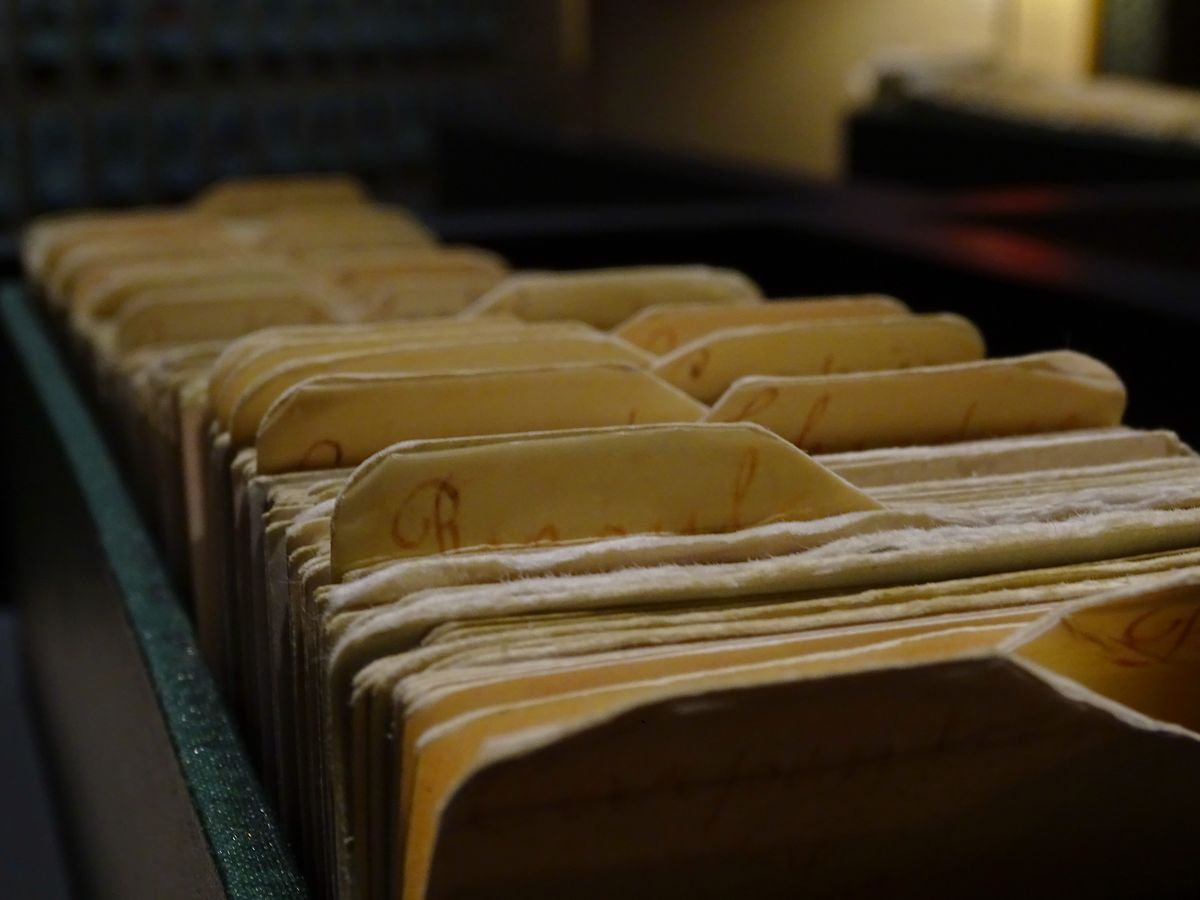
Old photographs of the lanes, family papers about a house, a drawing board, acid-free folders. Things, not money — brought to the office, scanned or shelved, and returned if you only meant to lend them.

  • Photographs scanned and originals returned on request
  • Every item entered in the archive register
  • Family papers held under the family's own conditions, in writing
Freegive things

Pick the way you want to help and it lands in the form below. Picking another replaces it — this page records one intention at a time, not a basket. NO MONEY MOVES ON THIS PAGE: nothing is charged, deducted or collected here, and how giving actually happens is written under the form.

Pledge a way to help

On the ground

The lanes, photographed with consent

No ruin-porn and no real monument claimed as our work. These frames are placeholders for photographs from your own files — a survey underway, lime being worked, a doorway's detail — of houses whose owners consented, with no house identifiable beyond what its owner allowed.

A courtyard survey in progress
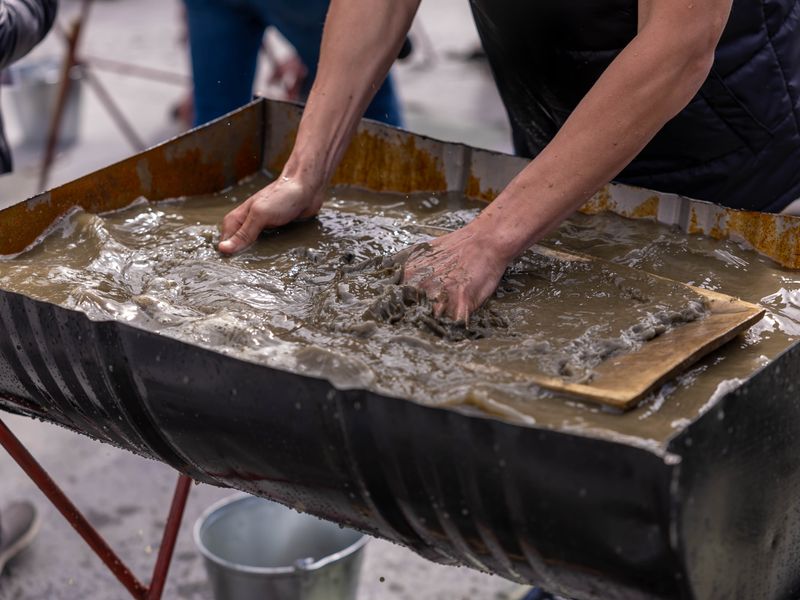
Lime mortar being prepared
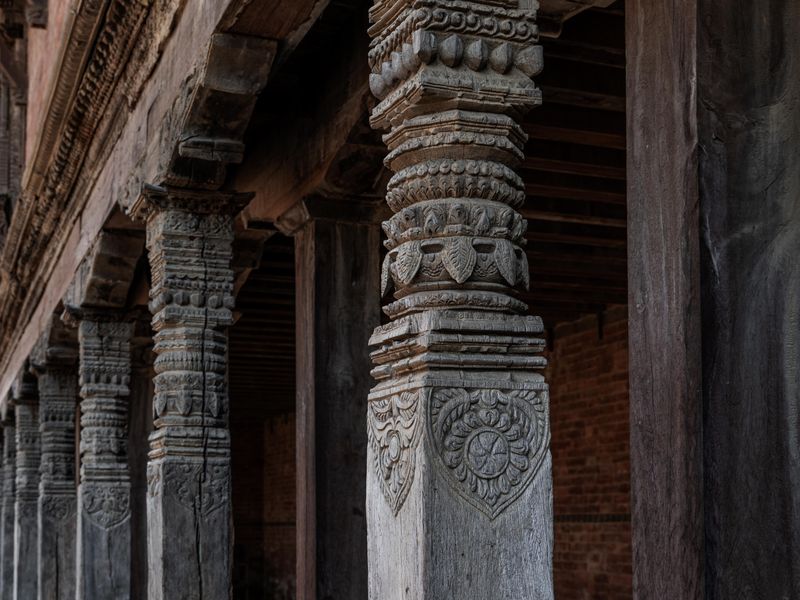
A carved bracket, detail

How giving actually happens

Paste the society's bank account name, number and IFSC here, and the UPI ID if you use one — exactly as the bank has them. State plainly that no one collects cash on sites or at houses in the society's name.
This template takes no money and has no donate button on purpose. Publish the one real rail here and disown every other.

Words you have permission to print

A house's owner on what the drawing or the repair meant, or a master mason on the apprentice — in their own words, with their name, collected with written permission.
Owners' privacy outranks the society's publicity: many prefer their house unnamed, and that preference governs. One consented sentence, or an empty slot.

Your honest record

Last quarter's numbers, dated: houses documented, repairs completed, apprentices supported, money in and what it bought. The audited annual figures go here exactly as the auditor wrote them.
Never 'saving the old city' — the claim this page can carry is a file count and a repair list a visitor can check against the archive shelf.

The frames above are placeholder photographs of the kind of work this page is about — not this organisation's own record, and never a person whose face buys sympathy. The slots below are deliberately blank: this is a template, and an invented beneficiary count, an invented donor or an invented 80G number would be a lie on a page asking people to give — and inventing the tax registration is an offence. Fill each slot with something real and checkable, then delete this line.

How it works

From this form to a drawing in the archive

Three steps, and money moves only to the society's account, only against a receipt.

  1. Tell us how you want to help

    The form records what you picked and how to reach you. Nothing is charged here — this page cannot take money, by design. Owners of old houses use the same form; the advice visit is free and comes with no obligation and no lecture.

  2. The office writes back

    Within the week, with the account details and receipt mechanics — and for repair pledges, the current repair list with each job's quotation, so you choose what your money mends.

  3. See the file grow

    The archive is open by appointment; the quarterly sheet lists drawings and repairs. The best proof is standing under a balcony that did not fall.

Give here if

  • You want craftsmen and apprentices paid fairly to keep real skills alive
  • You accept that owners' consent and privacy govern everything, including the photographs
  • You own an old house and want honest advice before deciding anything

Give elsewhere if

  • You want a famous monument's name on your donation — the protected sites have their own lawful guardians
  • You want demolition shamed with owners' names — lanes are kept by trust, not by campaigns against neighbours
  • You want this page to take your money now — it will not, by design

Before you give

Questions people ask before giving

Do you work on Charminar or the palaces?

No. Protected monuments belong to the ASI and the state department, by law, and a private society has no business on their scaffolding. Our whole field is the unprotected fabric — the private deodis, the lane houses — which has no guardian but its owners and, with their consent, us.

Why lime instead of cement? Cement is cheaper.

Cement is cheaper and it kills old walls: it traps moisture in lime-built masonry and the wall rots behind the patch. Lime breathes as the wall breathes. Our masons work at the wall's chemistry, the method is noted in the file, and the repair costs what the card honestly says.

I own an old house. Will you pressure me to keep it?

No. The advice visit is free, written, and yours to ignore. Some owners repair, some sell, some demolish — it is their house. What we ask for, always, is the chance to measure and photograph first, so that whatever happens, the record survives.

How much of the old city have you saved?

'Saved' is not a word we use about other people's houses. The archive holds the drawings we have made and the file lists the repairs we have completed — both countable, both checkable by appointment. The lanes will be kept, if they are kept, by their owners; we are the friends with the tape measure.

Is my donation tax-deductible?

Only if the 80G cell at the top carries a current number, checkable on the income-tax portal. The office shares the certificate before any transfer; an empty cell means ask first.

The one thing this page asks

Pledge a way to help

One form, one intention — a donor, a Sunday measurer, or an owner wanting the free advice visit. The office replies within the week; nothing is charged or collected here.

You want to help with

Nothing yet — pick a way to give above, or say it in the form.

Filled in when you pick a way to give above. You can also just type it.

The office replies here, once. No appeal calls follow.

Three required fields: a name, a way to reply, and which of four conversations this is. Deliberately absent: any house address field — an owner's address is asked only when the owner offers it, because a heritage list in the wrong hands becomes a demolition shopping list. No amount field, no PAN, no payment field — this page records intentions and takes nothing.

Your details go to the society's office for this one reply. Owners' houses, names and addresses are never published or shared without written consent. Nothing is sold.