Skip to the pledge form
Delhi Pledge a way to help

Community kitchen · one lane · Shahdara

One waqt. One lane. Roti-sabzi, six evenings a week.

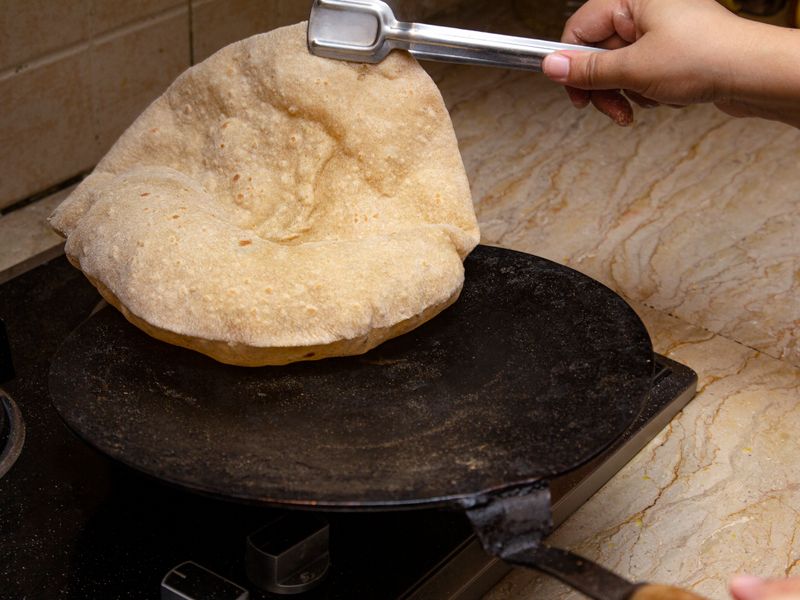
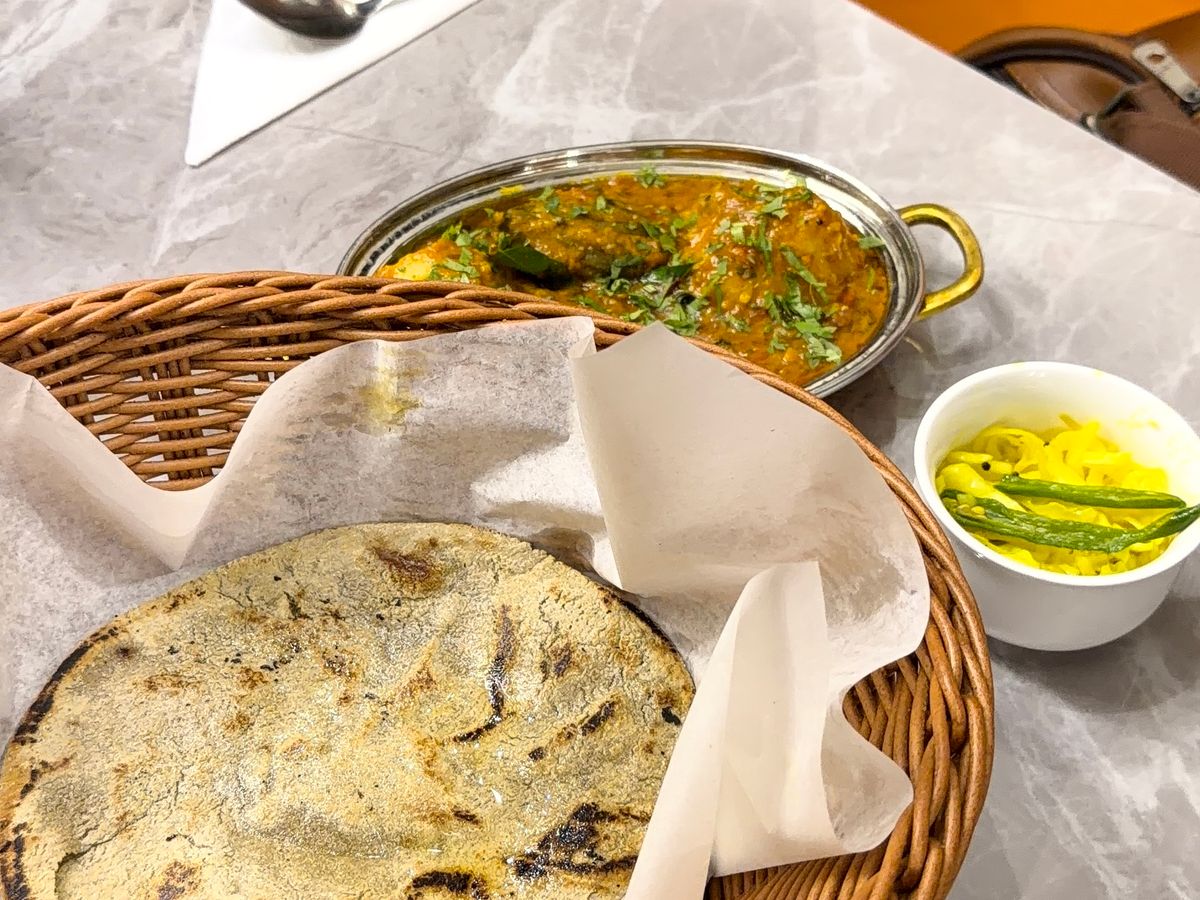
This kitchen does one thing and refuses to promise more: an evening meal — dal or a sabzi, rotis, sometimes khichdi — cooked in one Shahdara courtyard and served to whoever stands in the lane's line, no questions, no coupons, no sermons. Around a hundred and forty plates a night. The stock book prices every plate at about ₹26, and this page shows the arithmetic.

The work, this month
Six evenings a week, about 140 plates a night, one serving line
Where
A courtyard kitchen off the Shahdara main bazaar lane, Delhi
How giving happens
Bank or UPI to the trust, receipted — never cash at the serving line, never on this page

Nobody in the line is photographed, questioned or counted by name. The kitchen counts plates, not people — hunger has enough indignities without a register of the hungry.

For People who want a plate costed to the rupee · Hands for the rolling, serving and scrubbing shifts · Nearby shops with surplus atta, oil and vegetables

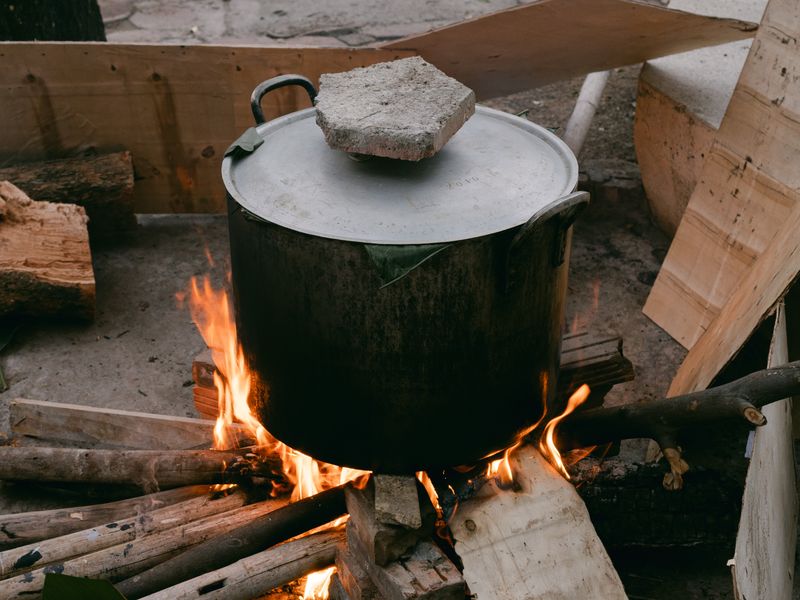
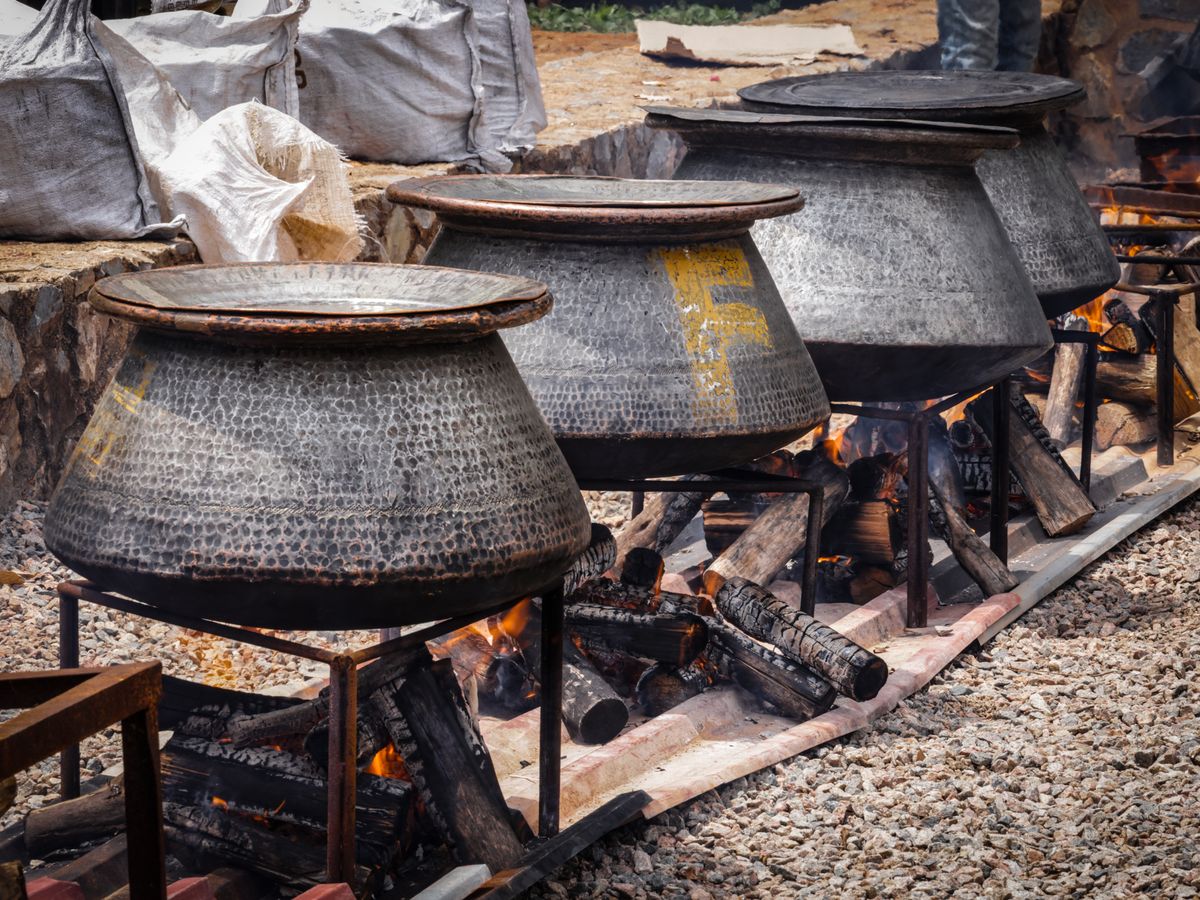
The evening pots on the fire
Your 80G & 12A numbersgo here exactly as the certificates read, checkable on the income-tax portal — an invented registration is an offence; the empty cell is legal
₹26 a plate, shownatta, dal, oil, vegetables, gas and the cook's wage, divided by the plates — the stock book is open at the kitchen door
No questions in the lineno ID, no coupons, no photographs of anyone eating — the meal is the whole transaction
₹0 on this pagenothing is collected here. A pledge is recorded, and the office replies with how giving actually works

These four are promises this page makes on your behalf. Keep them or change them — they are not decoration.

Ways to give or join

Ways to keep the stove lit, costed openly

Every figure comes off the stock book at this month's mandi and cylinder prices: a plate is about ₹26 because that is what atta, dal, oil, vegetables, gas and the cook's honest wage divide down to across a hundred and forty plates. Famous subsidised thalis cost less because someone else carries the difference; here the difference is what this page asks for.

Monthly

One person's evening meal, one month

Twenty-six evenings times ₹26 and change — one plate in the line, every cooking night, for a month. The card most monthly givers hold for years.

  • 26 plates across the month's cooking evenings
  • Priced off the open stock book, re-checked quarterly
  • The month's menu chalkboard, photographed weekly if you ask
₹700a month
One-time

One whole evening's cooking

The entire night — around 140 plates, the gas, the cook and helper's wages. Families give this for birthdays and remembrance days, and are welcome at the rolling table that evening.

  • A full evening's provisions at mandi rates, billed
  • Your family welcome to roll and serve that night
  • The kitchen cooks kheer that evening — tradition, not tariff
₹3,800one evening

Monthly

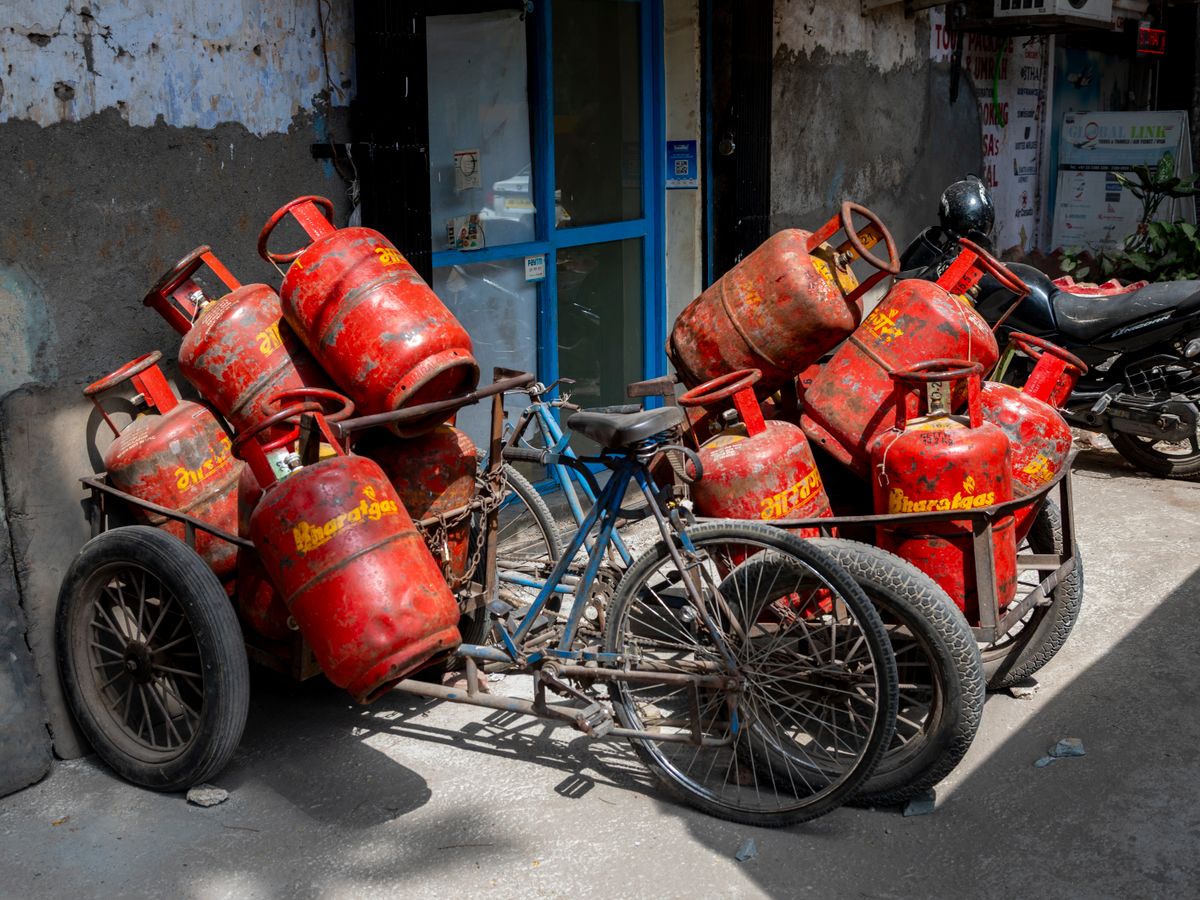
The gas cylinders, one month

The kitchen's commercial cylinders — the one bill that never haggles at the mandi. Unglamorous, monthly, decisive.

  • A month's cylinders at the printed commercial rate
  • Receipts in the stock book beside the mandi bills
  • Rolls over honestly if the rate falls
₹2,400a month

Volunteer

A rolling or serving shift

Five to eight, any evening: rolling at the long table, serving in the line, scrubbing after. The kitchen's only hierarchy is who rolls rounder.

  • A fixed weekly evening, so the cook can plan
  • Aprons and the washing-up on the kitchen
  • One rule, absolute: nobody photographs the line
Freegive time

In kind

The atta, oil and vegetable shelf

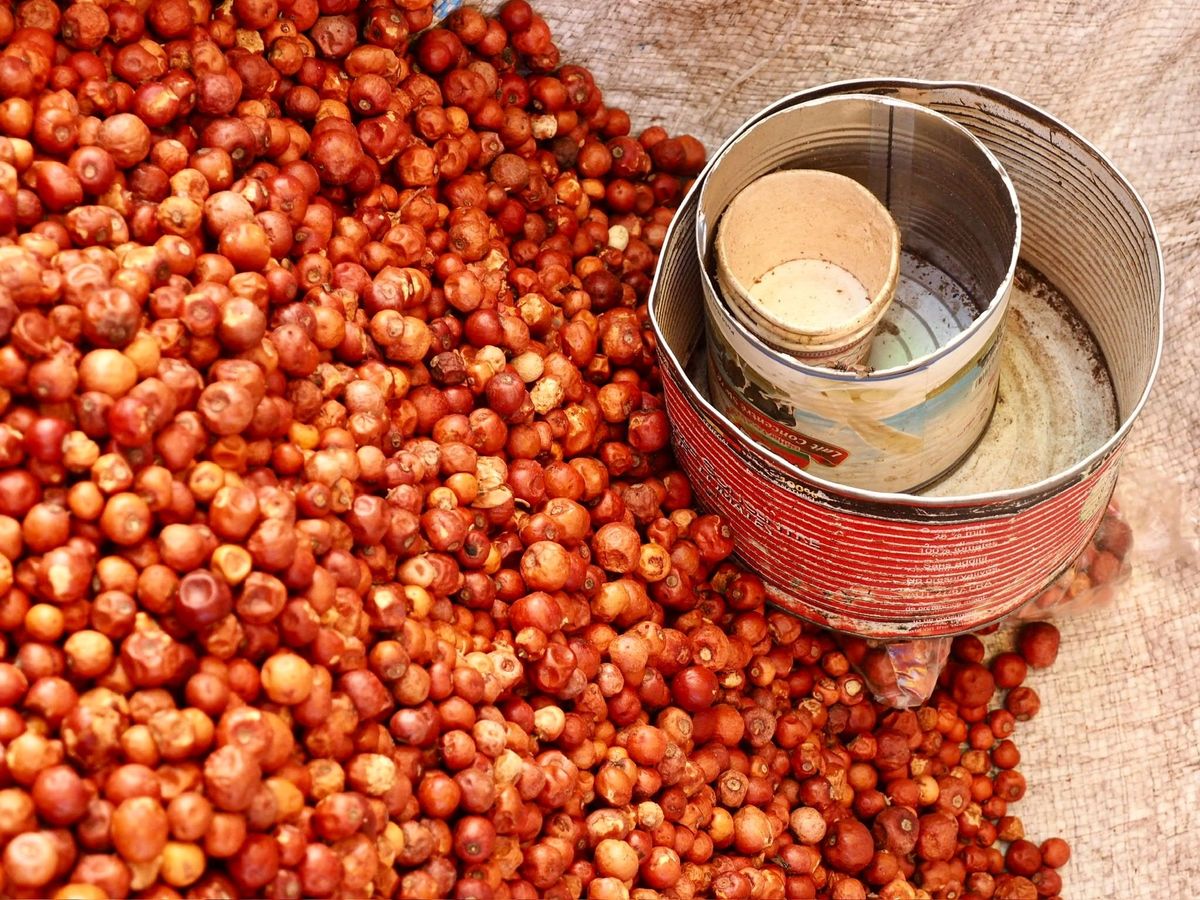
10 kg atta bags, oil tins, dal, and same-day vegetables from nearby shops' honest surplus. Brought to the courtyard before six, weighed, entered in the stock book.

  • The shelf's shortfall list, chalked daily at the door
  • Weighed and entered while you watch
  • No cooked food from outside kitchens — one stove, one responsibility, one hygiene answer
Freegive things

Pick the way you want to help and it lands in the form below. Picking another replaces it — this page records one intention at a time, not a basket. NO MONEY MOVES ON THIS PAGE: nothing is charged, deducted or collected here, and how giving actually happens is written under the form.

Pledge a way to help

On the ground

The kitchen at work

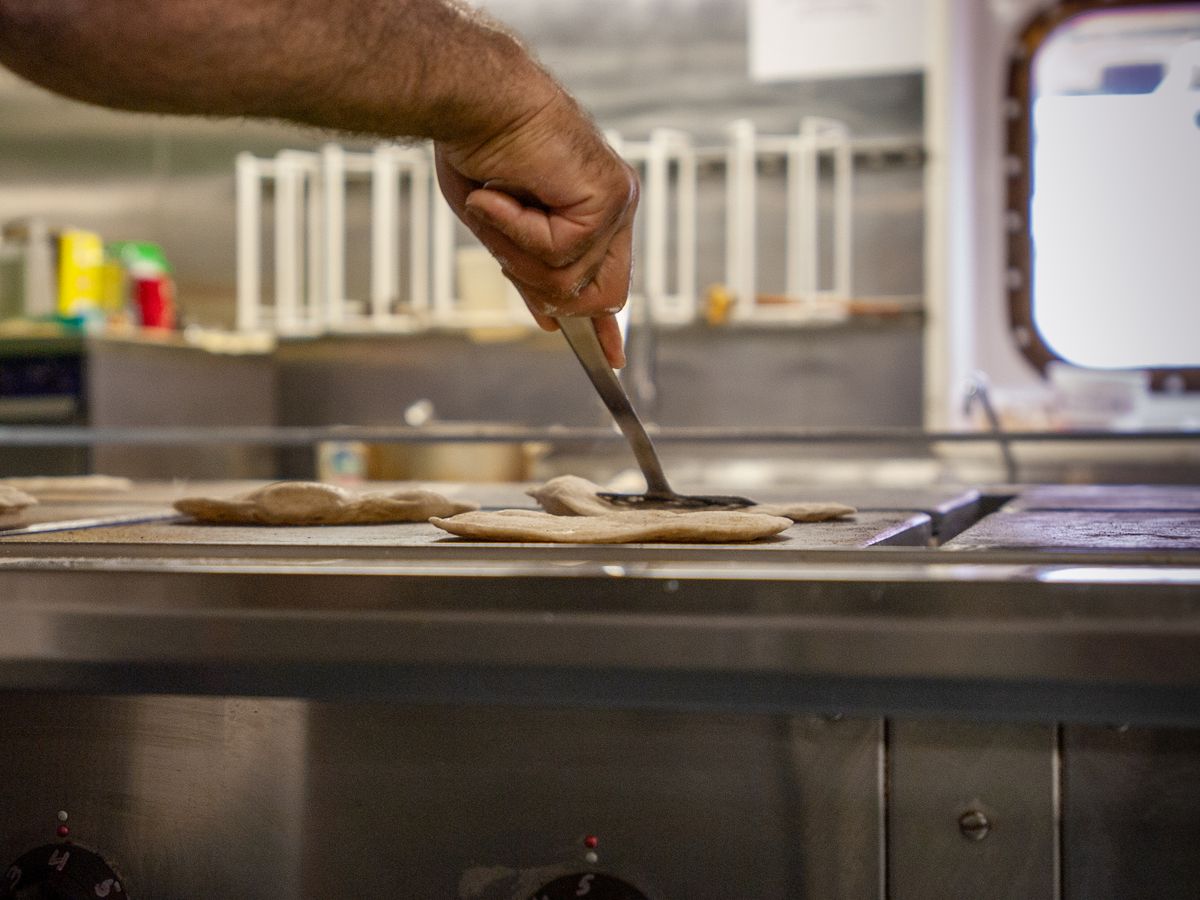
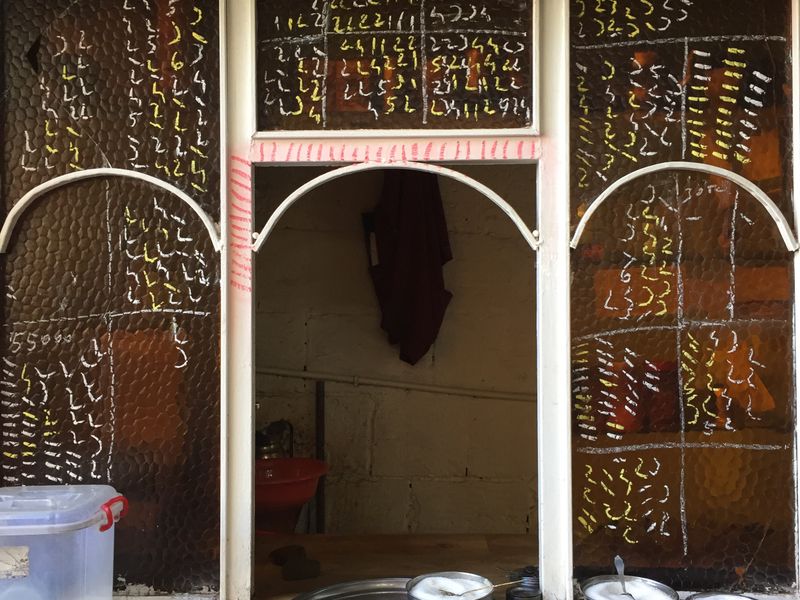
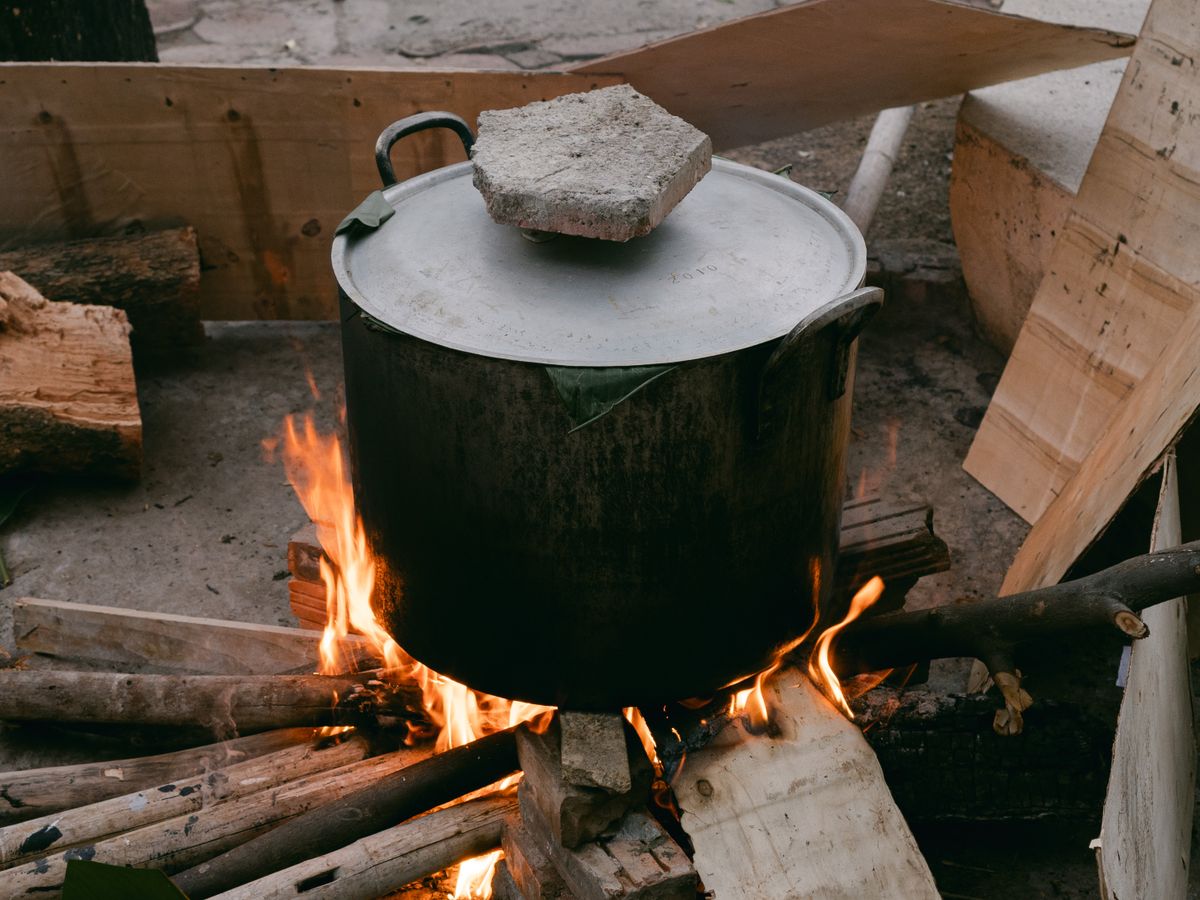
The line is never photographed — that rule has no exceptions and this gallery obeys it. These frames are placeholders for your own kitchen's working side: the pots, the rolling table, the chalkboard arithmetic.

The evening pots on the fire
The rolling table at full speed
The stock book and the chalkboard

How giving actually happens

Paste the trust's bank account name, number and IFSC here, and the UPI ID if you use one — exactly as the bank has them. State plainly that nobody collects cash at the serving line in the kitchen's name.
This template takes no money and has no donate button on purpose. Publish the one real rail here and disown every other — a serving line with a cash box stops being a serving line.

Words you have permission to print

A volunteer, a donor or a neighbouring shopkeeper, in their own words, with their name — collected with written permission. Never anyone from the line.
The people this kitchen feeds are not asked for gratitude on the record — that is the no-questions rule keeping its word. Volunteer and neighbour voices are plenty.

Your honest record

Last quarter's stock-book summary, dated: cooking evenings held, plates served by the nightly count, money in and what it bought. The audited annual figures go here exactly as the auditor wrote them.
Plates this quarter, from the nightly chalk tally — never a lifetime total and never 'hunger ended'. The stock book is the whole story; print what it can prove.

The frames above are placeholder photographs of the kind of work this page is about — not this organisation's own record, and never a person whose face buys sympathy. The slots below are deliberately blank: this is a template, and an invented beneficiary count, an invented donor or an invented 80G number would be a lie on a page asking people to give — and inventing the tax registration is an offence. Fill each slot with something real and checkable, then delete this line.

How it works

From this form to the serving line

Three steps, and money moves only to the trust's account, only against a receipt.

  1. Tell us how you want to help

    The form records what you picked and how to reach you. Nothing is charged here — this page cannot take money, by design.

  2. The office writes back

    Within the week, with the account details and receipt mechanics — or your shift evening, or the drop-off routine for the shelf.

  3. Come at five o'clock

    The stock book is open at the door and the rolling table always has room. The kitchen's entire annual report is the chalk tally and the smell at seven.

Give here if

  • You want a plate priced from a stock book you can walk up and read
  • You accept the no-questions line — no IDs, no deserving-poor tests, no photographs
  • You can give small and monthly; the stove is lit monthly

Give elsewhere if

  • You want distribution-day photographs of people receiving — the line's dignity is not currency here
  • You want the kitchen to preach, screen or save anyone — it feeds people; that is the entire theory of change
  • You want this page to take your money now — it will not, by design

Before you give

Questions people ask before giving

Why only one meal a day, and only one lane?

Because one stove doing one waqt well beats three promises doing them badly. The kitchen's size is set by what its courtyard, cook and stock book can honestly carry. If giving outgrows the lane, the honest expansion is a second stove in a second lane, announced before, not claimed after.

How do you know the food reaches the right people?

We do not screen the line, on principle. Whoever stands in it eats — the day-wage worker whose contractor vanished, the old woman whose pension is late, the boy nobody asks about. A wrongly fed person costs ₹26; a screening desk costs the line its dignity. We choose the ₹26.

How many people have you fed so far?

The stock book counts plates by night and quarter, and that count is published as it stands. We refuse lifetime totals — a kitchen this size claiming lakhs fed is doing rhetoric, not arithmetic, and the line deserves better than rhetoric.

Can I donate cooked food from my function?

No, and we say it kindly: one stove means one hygiene answer when anyone asks who cooked what. Bring the raw shelf's items instead, or fund an evening and come roll rotis at your own function's memory. The kheer tradition exists for exactly this.

Is my donation tax-deductible?

Only if the 80G cell at the top carries a current number, checkable on the income-tax portal. The office shares the certificate before any transfer; an empty cell means ask first.

The one thing this page asks

Pledge a way to help

One form, one intention. The office replies within the week — nothing is charged or collected here.

You want to help with

Nothing yet — pick a way to give above, or say it in the form.

Filled in when you pick a way to give above. You can also just type it.

The office replies here, once. No appeal calls follow.

Three required fields: a name, a way to reply, a channel. Deliberately absent: any amount field (the cards carry the stock-book costs), any PAN (that belongs with the 80G receipt at donation time), any payment field (this page records intentions and takes nothing) — and any question about who eats here, because the kitchen does not ask, so its form certainly will not.

Your details go to the trust's office for this one reply and the shift rota if you volunteered. Never sold, no appeal calls, and the serving line stays unphotographed and unlisted forever.