Skip to the pledge form
Guwahati Pledge a way to help

Standing fund · kits before the water · Guwahati

The bhoral is filled before the river rises.

Every monsoon, somewhere on the Brahmaputra's banks, families will need dry rations, tarpaulin and clean water within days. A bhoral is a granary: this fund packs and pre-stages family kits in godown shelves across three districts between October and May, so that when the water comes the trucks roll the same week — no frantic appeal, no waiting for pledges to clear. Give in the dry months; that is the whole idea.

The work, this month
Kits packed and shelved across three district godowns; the truck roster kept current
Where
Packing hall in Guwahati; godowns in three flood-prone districts of Assam
How giving happens
Bank or UPI to the trust, receipted — never cash collections, never on this page

The shelf count — kits packed, kits staged, kits released — is chalked in the packing hall and printed quarterly. This page makes no appeal during a flood; if you are reading it in a bad week, the kits your neighbours gave last winter are already on the trucks.

For People who would rather give in March than panic in July · Volunteers for the packing weekends · Companies whose CSR wants kits on shelves, not banners in water

One family's fortnight kit
Your 80G & 12A numbersgo here exactly as the certificates read, checkable on the income-tax portal — an invented registration is an offence; the empty cell is legal. FCRA only if genuinely registered — foreign money without it is refused, not managed
Staged, not promisedthe fund's unit is a packed kit on a shelf with a truck roster beside it — never a pledge to buy things after the water comes
No disaster theatreno wading-television appeals, no counting families on camera — releases are logged with the district administration and printed quarterly
₹0 on this pagenothing is collected here. A pledge is recorded, and the office replies with how giving actually works

These four are promises this page makes on your behalf. Keep them or change them — they are not decoration.

Ways to give or join

Ways to fill the bhoral, costed openly

Every figure is last packing season's actual bill: rice, dal, salt, oil and jaggery at wholesale, tarpaulin and rope by the bale, chlorine tablets and ORS by the carton, the godown's rent split across its shelves. Relief bought in a flood week costs half again as much and arrives late — pre-staging is not a slogan, it is a discount.

One-time

One family's fortnight kit

Rice, dal, oil, salt, jaggery, ORS, chlorine tablets, matches and a wick lamp — a family of five's dry fortnight, packed to the standing list, shelved until the river decides.

  • The full kit at wholesale rates, packed and staged
  • Its row in the shelf register — packed, staged, released
  • The kit list itself printed on the sack, so nothing quietly shrinks
₹1,100one kit
One-time

A tarpaulin-and-rope bundle

A heavy tarpaulin, rope and a dozen sandbag sacks — the difference between a wet week and a roof of sorts. Staged beside the ration kits, released with them.

  • One heavy-gauge tarpaulin with rope and sacks
  • Bought by the bale at the printed wholesale rate
  • Staged in the district godown nearest the need
₹800one bundle

Monthly

The godown shelves, one month

Three district godowns' rent and keeping — dry floors, rat-proof racks, a keeper who counts. The dullest card on this page, and the one the whole design stands on.

  • A month's share of three godowns' rent and upkeep
  • The keeper's monthly shelf count, printed quarterly
  • Kits rotated before expiry, into ration shops at cost, logged
₹1,800a month

Volunteer

A packing weekend, October to May

Weighing, sewing sacks, stencilling the kit list, stacking to the keeper's exacting standards. One Saturday a month through the dry season; the monsoon's work is done sweating in December.

  • A fixed Saturday on the packing line
  • The hall's chai and the keeper's approval, hard-earned
  • Flood-week volunteering is separate, trained and rostered — packing is how you join that list
Freegive time

In kind

The dry-goods gate

Wholesale-packed rice, dal, oil and salt from traders and mills — accepted by the sack at the packing hall against the standing list, weighed and entered while your man watches.

  • The standing kit list, so donations match it exactly
  • Weighed in and receipted at the gate
  • No cooked food, no clothes bales, no expiry gambles — the list is the law of the hall
Freegive things

Pick the way you want to help and it lands in the form below. Picking another replaces it — this page records one intention at a time, not a basket. NO MONEY MOVES ON THIS PAGE: nothing is charged, deducted or collected here, and how giving actually happens is written under the form.

Pledge a way to help

On the ground

The dry-season work

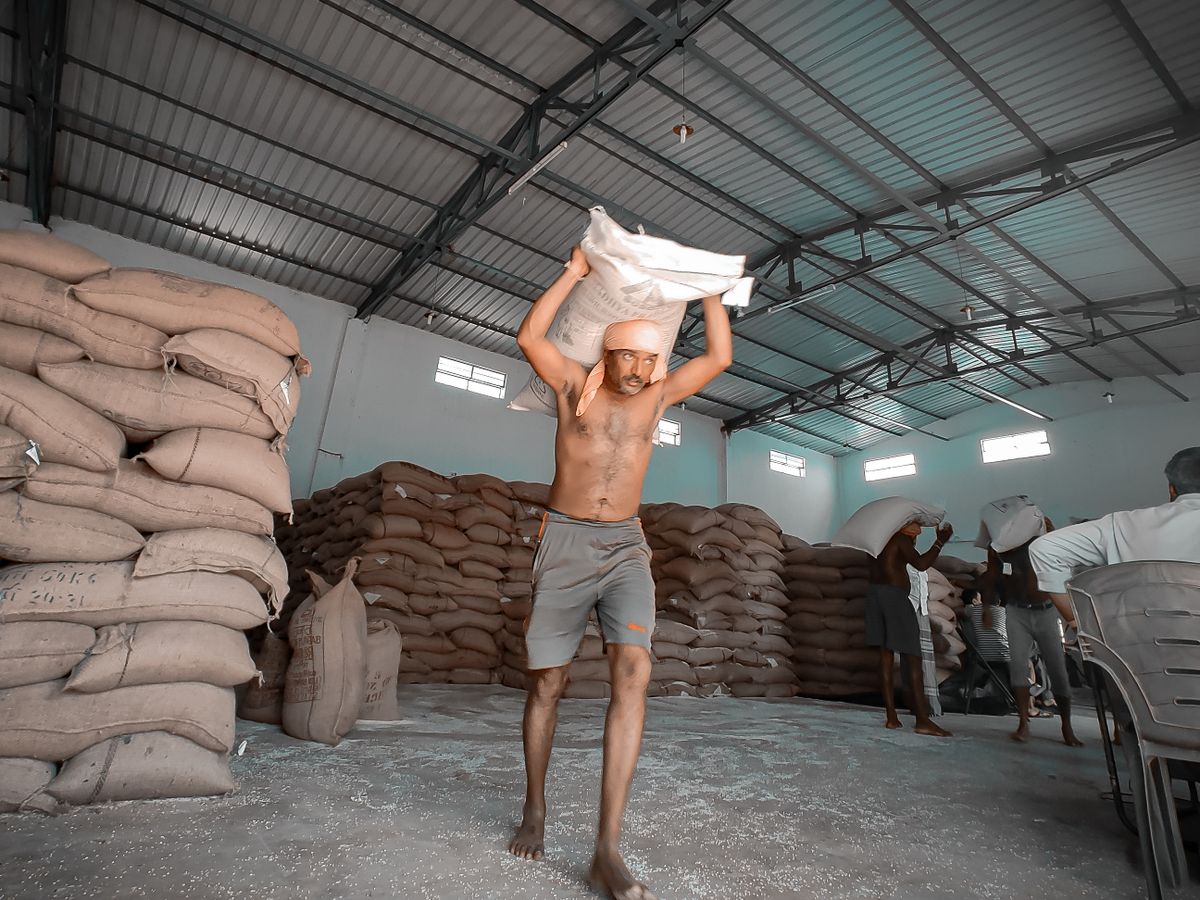
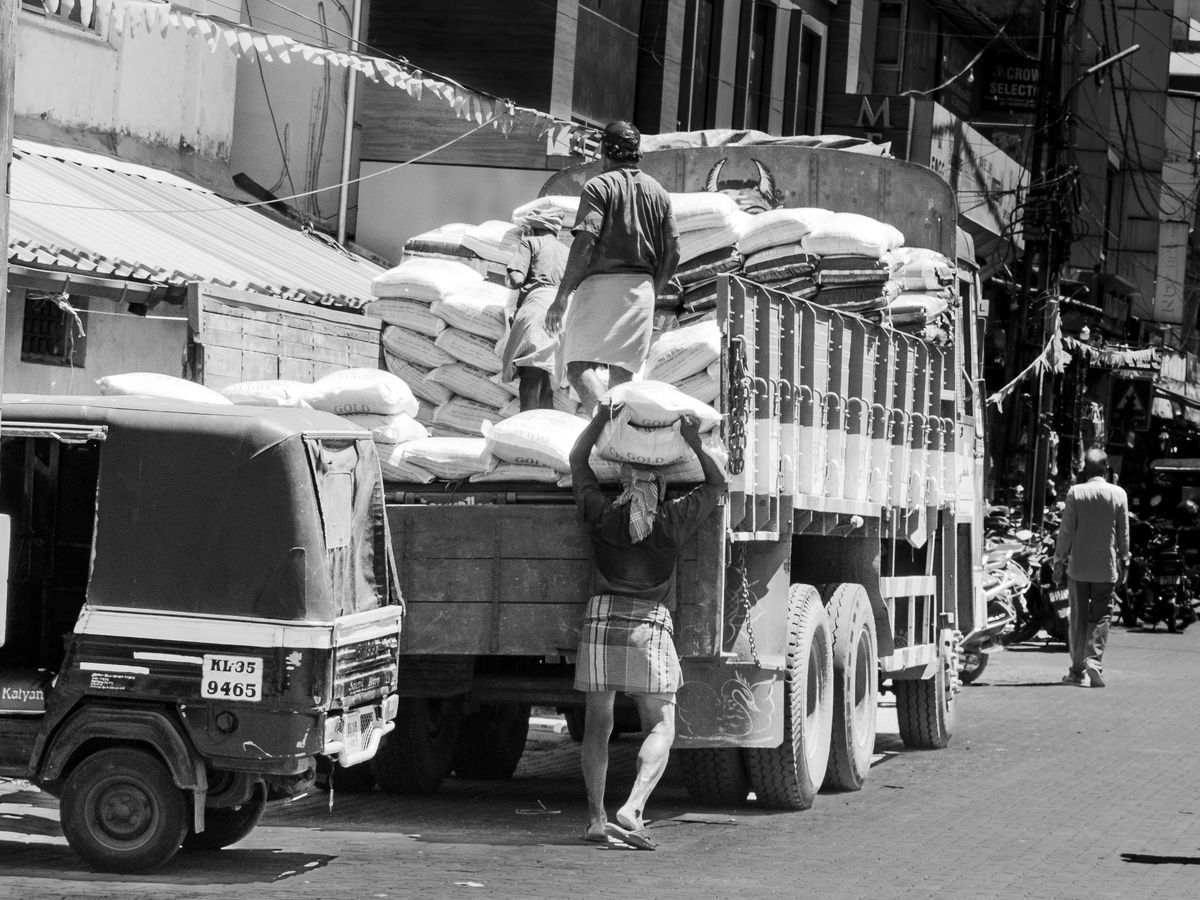
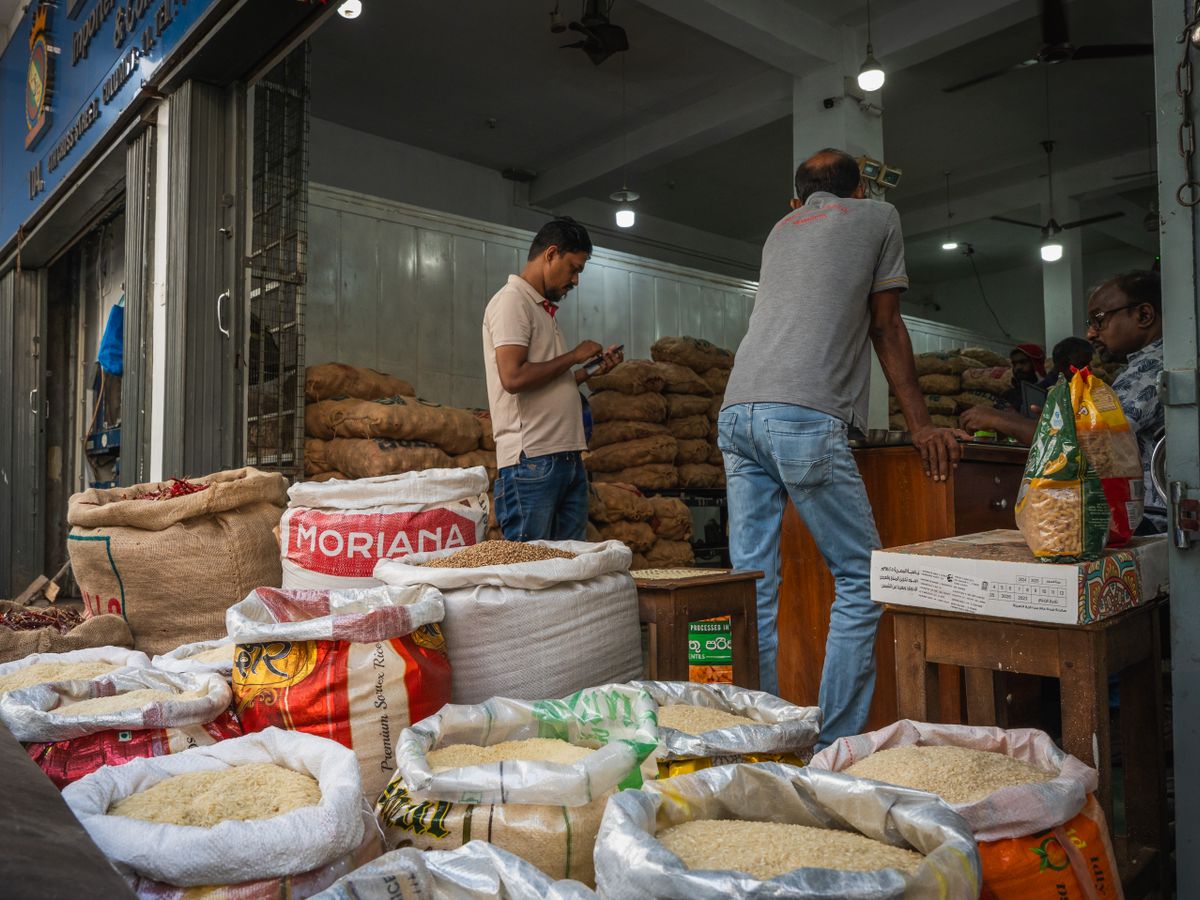
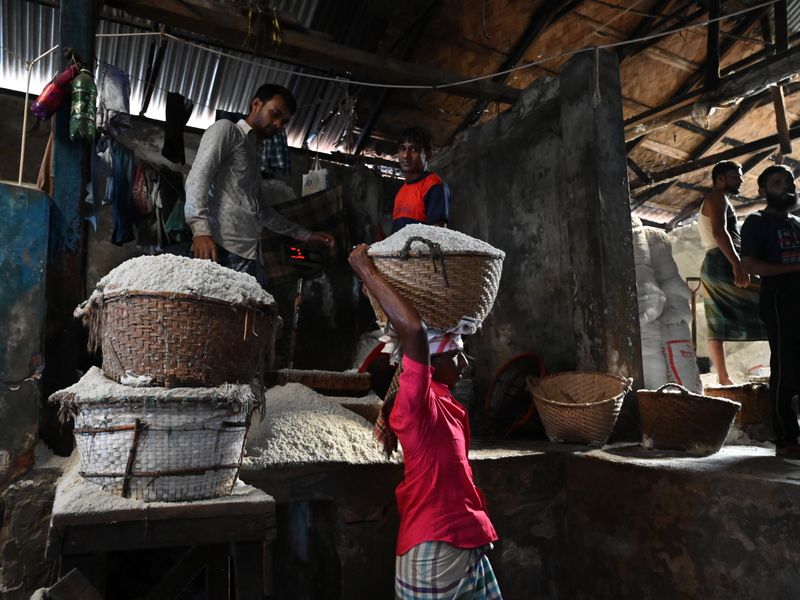
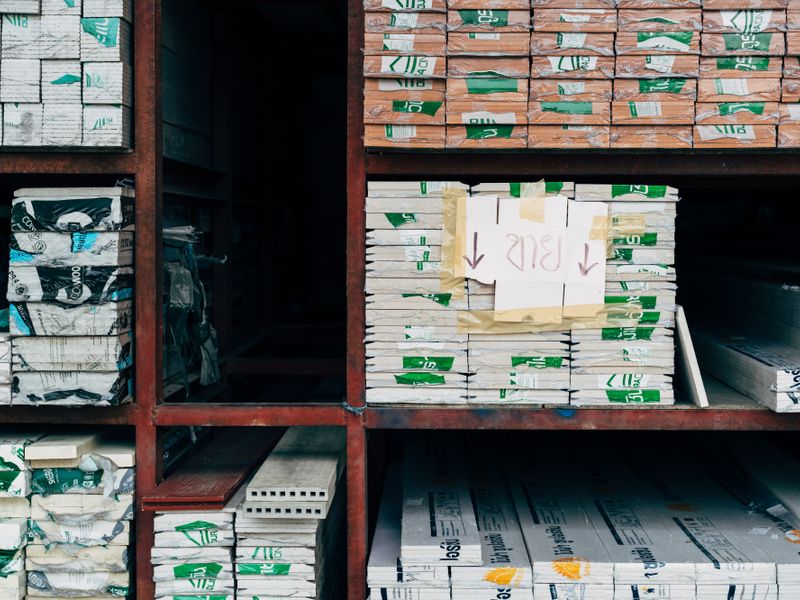
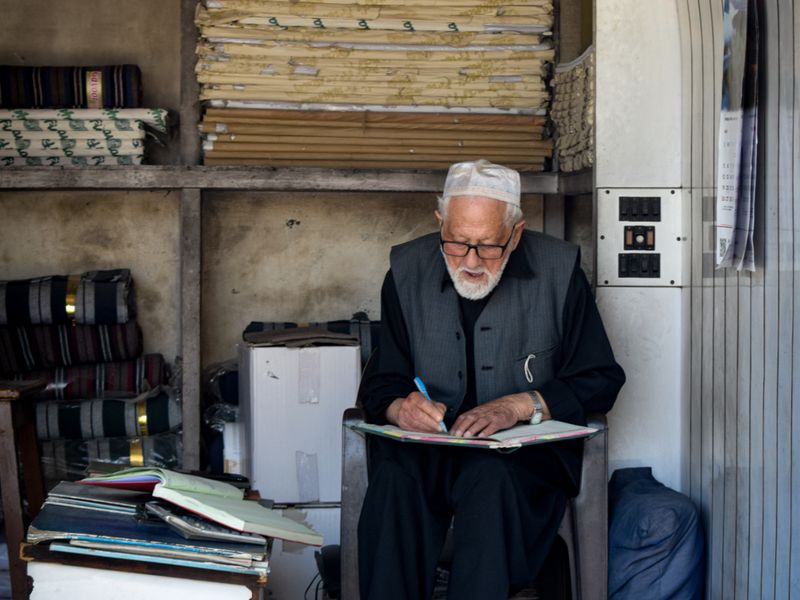
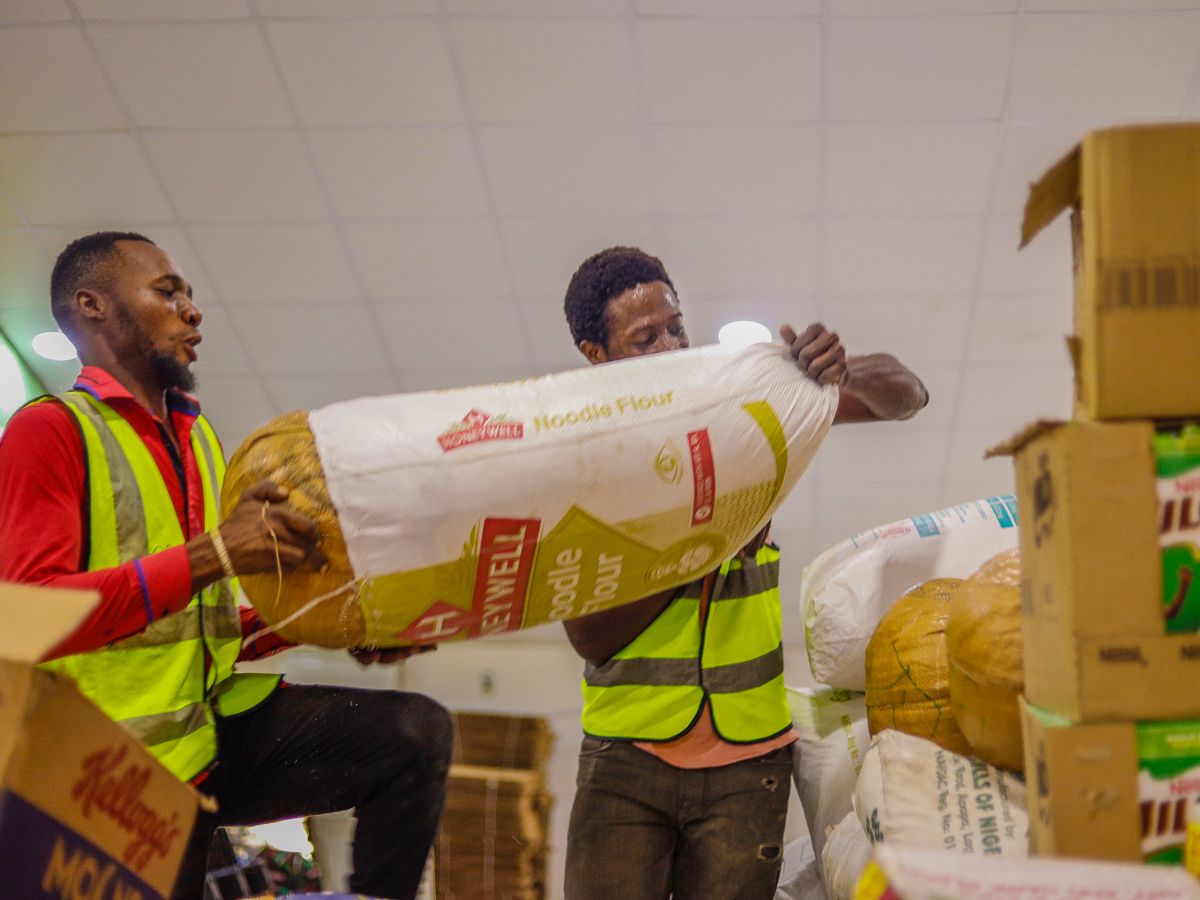
No flood-water photography at all — this fund's entire point is the work done before, and its gallery keeps that discipline. These frames are placeholders for your own packing hall and godowns in the dry months.

The packing line on a winter Saturday
Staged kits on the godown racks
The shelf register being kept

How giving actually happens

Paste the trust's bank account name, number and IFSC here, and the UPI ID if you use one — exactly as the bank has them. State plainly that the fund runs no street or door-to-door cash collections, in flood weeks or ever.
Flood weeks breed fake collectors faster than mosquitoes. This template takes no money by design; publish the one real rail here and disown every other, loudly.

Words you have permission to print

A godown keeper, a packing volunteer or a district official who has taken delivery, in their own words, with their name — collected with written permission. Never a flood-affected family quoted in their worst week.
People standing in water owe nobody a testimonial. The keeper's ledger voice is this fund's honest register — use it.

Your honest record

Last season's numbers, dated: kits packed, kits staged by district, kits released and where, money in and what it bought. The audited annual figures go here exactly as the auditor wrote them.
Releases are logged with the district administration — print the log's numbers, never an estimate of 'families saved'. The shelf register is the whole claim.

The frames above are placeholder photographs of the kind of work this page is about — not this organisation's own record, and never a person whose face buys sympathy. The slots below are deliberately blank: this is a template, and an invented beneficiary count, an invented donor or an invented 80G number would be a lie on a page asking people to give — and inventing the tax registration is an offence. Fill each slot with something real and checkable, then delete this line.

How it works

From this form to a kit on a shelf

Three steps, and money moves only to the trust's account, only against a receipt.

  1. Tell us how you want to help

    The form records what you picked and how to reach you. Nothing is charged here — this page cannot take money, by design, in any season.

  2. The office writes back

    Within the week, with the account details and receipt mechanics — and for kit pledges, which district godown your kits will be staged in.

  3. Watch the shelf register

    The quarterly sheet counts packed, staged and released, district by district. Visit the packing hall any dry-season Saturday; the monsoon's real heroes are stacked in rows, waiting.

Give here if

  • You want to give before the emergency, when money buys most and thinks best
  • You value the boring rows — godown rent, rotation, a keeper's count
  • Your company's CSR can fund shelves in March instead of banners in July

Give elsewhere if

  • You want your donation photographed reaching a victim's hands — dignity and speed both forbid it
  • You only give during disasters — by then this fund's work is already on the trucks; give to the next monsoon instead
  • You want this page to take your money now — it will not, by design

Before you give

Questions people ask before giving

Why won't you appeal during a flood, when people want to give?

Because flood-week money buys goods at panic prices and arrives after the worst days, and because appeals built on drowning footage teach donors to wait for drowning footage. The bhoral idea is the opposite: fill the granary in the dry months, release fast, and let the quarterly log do the talking.

What happens to kits that are never needed?

A good year is the best problem this fund can have. Kits are date-tracked and rotated out well before expiry — sold at cost into ration shops with the proceeds returned to the fund, every rotation logged. Nothing rots on a shelf and nothing is quietly written off.

How do you decide who gets kits in a bad week?

Releases go through the district administration's own lists and camps — we stage and truck, they allocate. It costs us some control and spares the worst-hit the indignity of competing for a private trust's favour. The release log names the blocks, not the families.

Can I donate from abroad?

Only if the FCRA cell at the top of this page carries a current registration — foreign contribution without it is illegal for us to accept, and we refuse it rather than route it cleverly. If the cell is empty, give through a friend's Indian account only if the money is genuinely theirs to give.

Is my donation tax-deductible?

Only if the 80G cell at the top carries a current number, checkable on the income-tax portal. The office shares the certificate before any transfer; an empty cell means ask first.

The one thing this page asks

Pledge a way to help

One form, one intention — best sent in the dry months. The office replies within the week; nothing is charged or collected here.

You want to help with

Nothing yet — pick a way to give above, or say it in the form.

Filled in when you pick a way to give above. You can also just type it.

The office replies here, once. No appeal calls follow — not even in July.

Three required fields: a name, a way to reply, and which of four conversations this is. Deliberately absent: any amount field (the cards carry the kit costs), any PAN (that belongs with the 80G receipt at donation time), any payment field (this page records intentions and takes nothing) — and any urgency theatre: no countdowns, no target thermometers, because a standing fund's entire discipline is that it does not panic and does not make you.

Your details go to the trust's office for this one reply and the packing rota if you volunteered. Never sold, no appeal calls in any season.