Skip to the pledge form
Pune Pledge a way to help

Old-age home · 28 residents · Pune

Twenty-eight elders. Every month, fully costed.

Sanjvela Niwas houses twenty-eight elders who have outlived their savings, their families' patience, or both. Meals, a shared room, a nurse's daily round, medicines, and someone to talk to in the evening — the whole month costs ₹4,500 per resident and this page shows the arithmetic. We assist with daily life; hospitals treat. That line is kept bright.

The home, this month
28 residents, 11 shared rooms, a nurse's daily round, three meals
Where
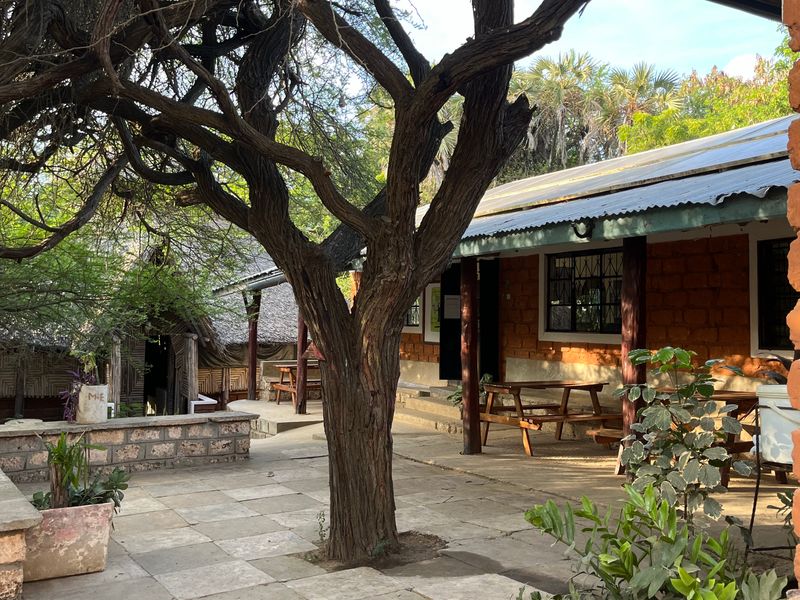
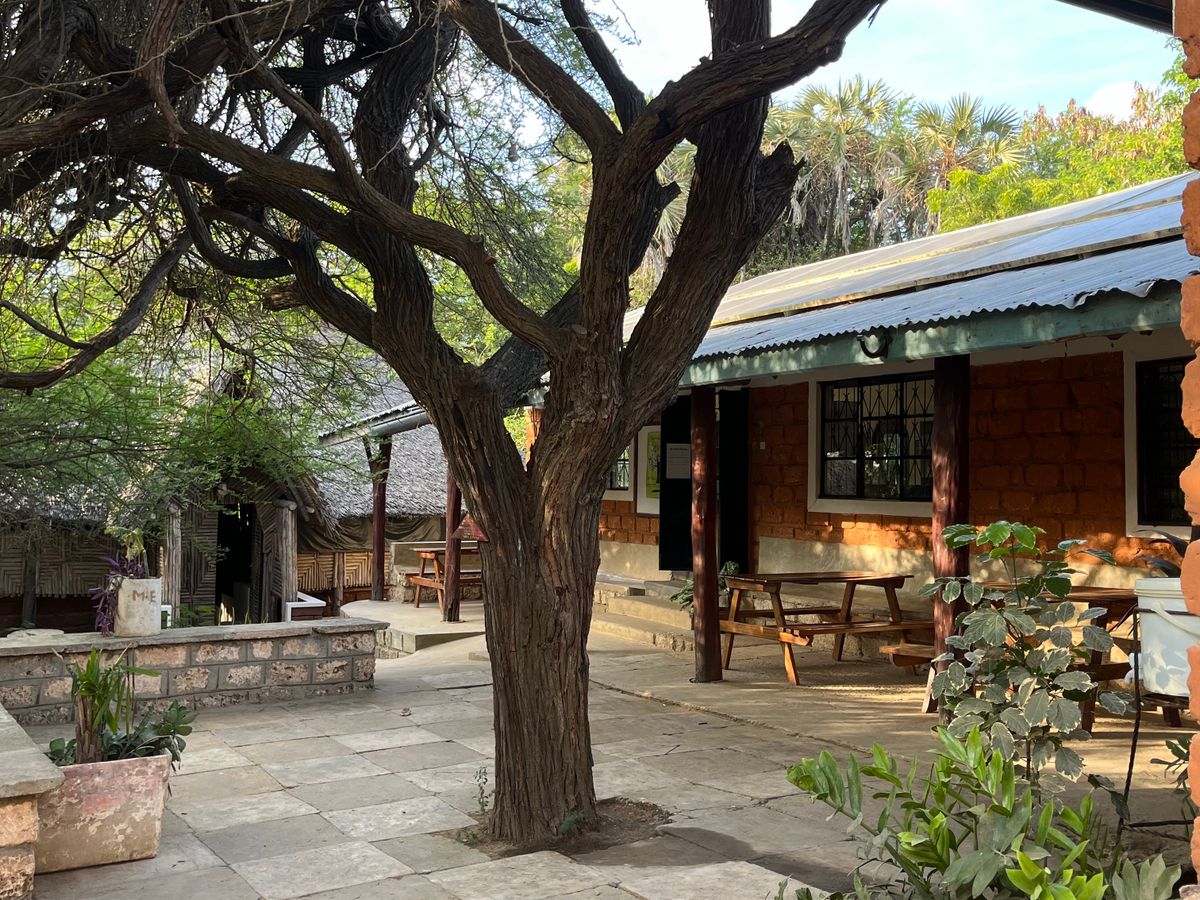
A converted two-storey house in Warje, Pune, with a courtyard neem
How giving happens
Bank or UPI to the trust, receipted — never cash at the gate, never on this page

Assistance, not treatment: the home has a nurse's round and a tied-up local clinic for referrals, not a doctor on campus — and says so to every family before admission, in writing.

For People who want an elder's month costed to the rupee · Neighbours who can give an evening of reading and letters · Families honouring a parent's memory with a named month

The courtyard in morning sun
Your 80G & 12A numbersgo here exactly as the certificates read, checkable on the income-tax portal — an invented registration is an offence; the empty cell is legal
₹4,500, itemisedone resident's full month — food, room, nurse share, medicines — with the split printed in the quarterly sheet
Dignity in every frameno resident's story or photograph is used to raise money without their written, revocable consent
₹0 on this pagenothing is collected here. A pledge is recorded, and the office replies with how giving actually works

These four are promises this page makes on your behalf. Keep them or change them — they are not decoration.

Ways to give or join

Ways to carry the home, costed openly

Every figure is this home's actual running cost this year, divided across twenty-eight residents — not a national average and not a round number chosen for a poster. Private assisted-living in this city starts at five times these figures; the difference is a rented house, shared rooms, and a trust deed instead of a margin. When costs move, the cards move.

Monthly

One elder's full month

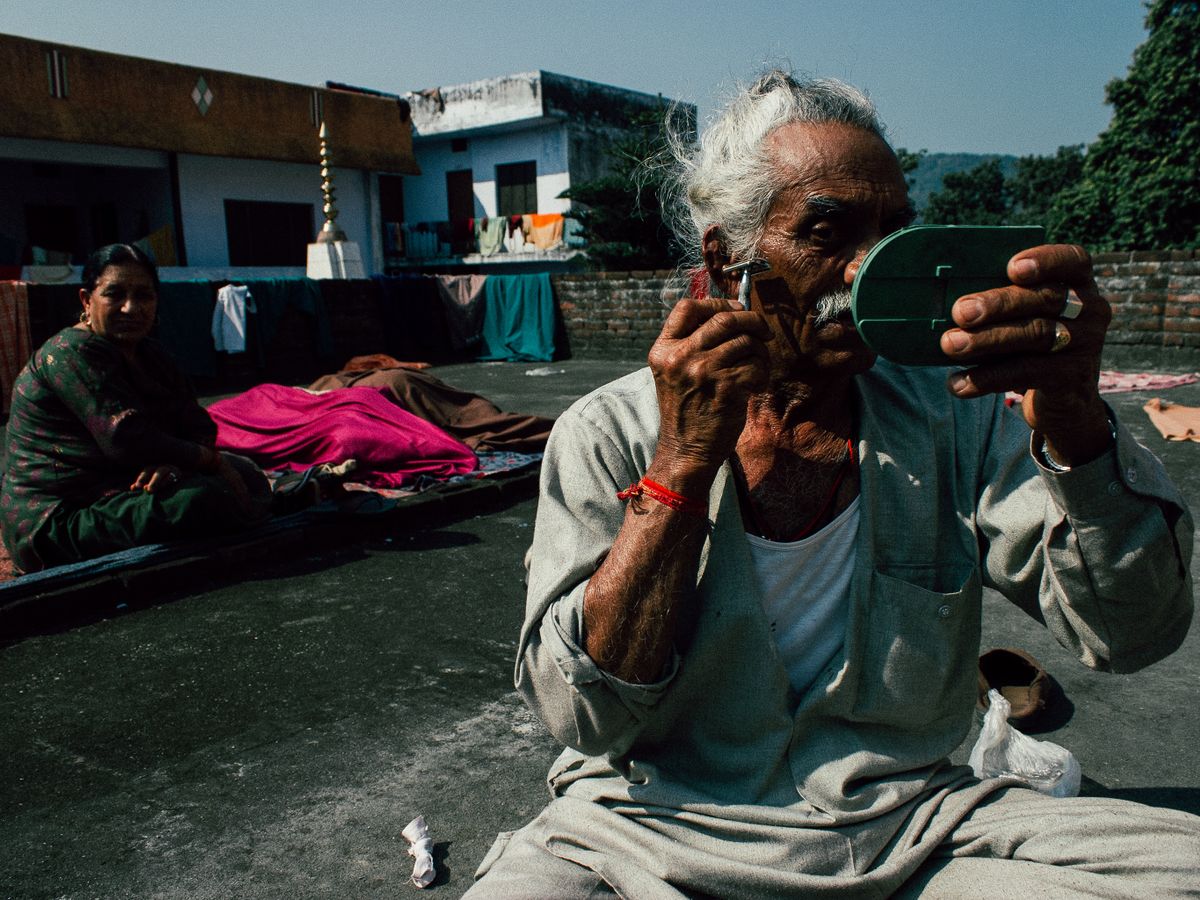
Three meals, the shared room's share of rent and power, the nurse's daily round, routine medicines, and the small dignities — a haircut, a newspaper. The whole month, honestly divided.

  • The complete itemised month for one resident
  • Given monthly, or twelve months at once in a parent's memory
  • The month's split printed in the quarterly sheet
₹4,500a month

Monthly

The medicine cupboard, one month

Blood-pressure and diabetes strips, the standing prescriptions, dressings — the shelf that empties fastest in any house of twenty-eight elders.

  • A month's routine medicines at chemist's wholesale
  • The nurse's indent book open to any donor
  • Referral costs to the tied-up clinic logged separately, honestly
₹1,300a month

One-time

One week of the kitchen

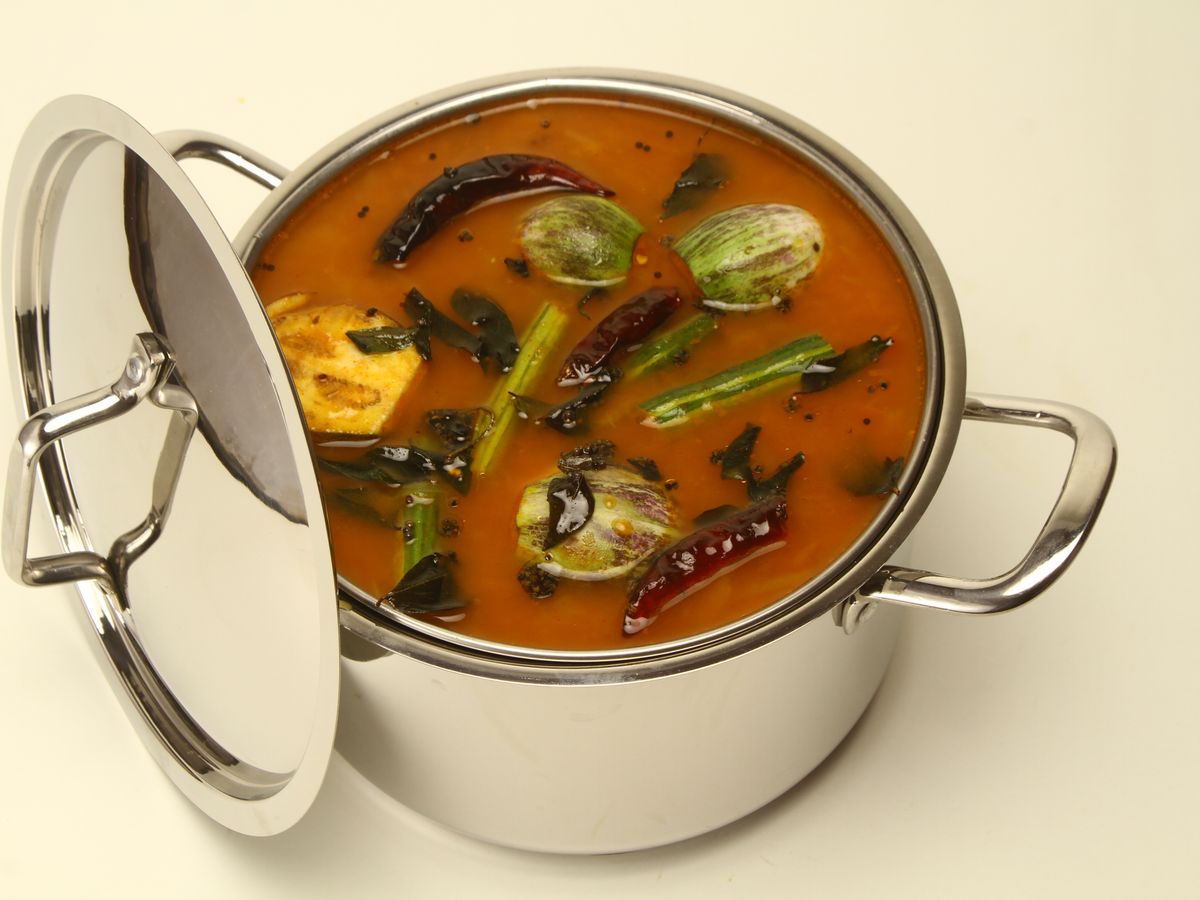
Vegetables, dal, milk, tea and the cooking gas for twenty-eight people for seven days — the mandi list is on the kitchen wall and the card matches it.

  • Seven days of three meals for the whole house
  • Often given for a remembrance day — the kitchen cooks kheer that day
  • The week's mandi bills shown on request
₹3,200one week

Volunteer

An evening of reading and letters

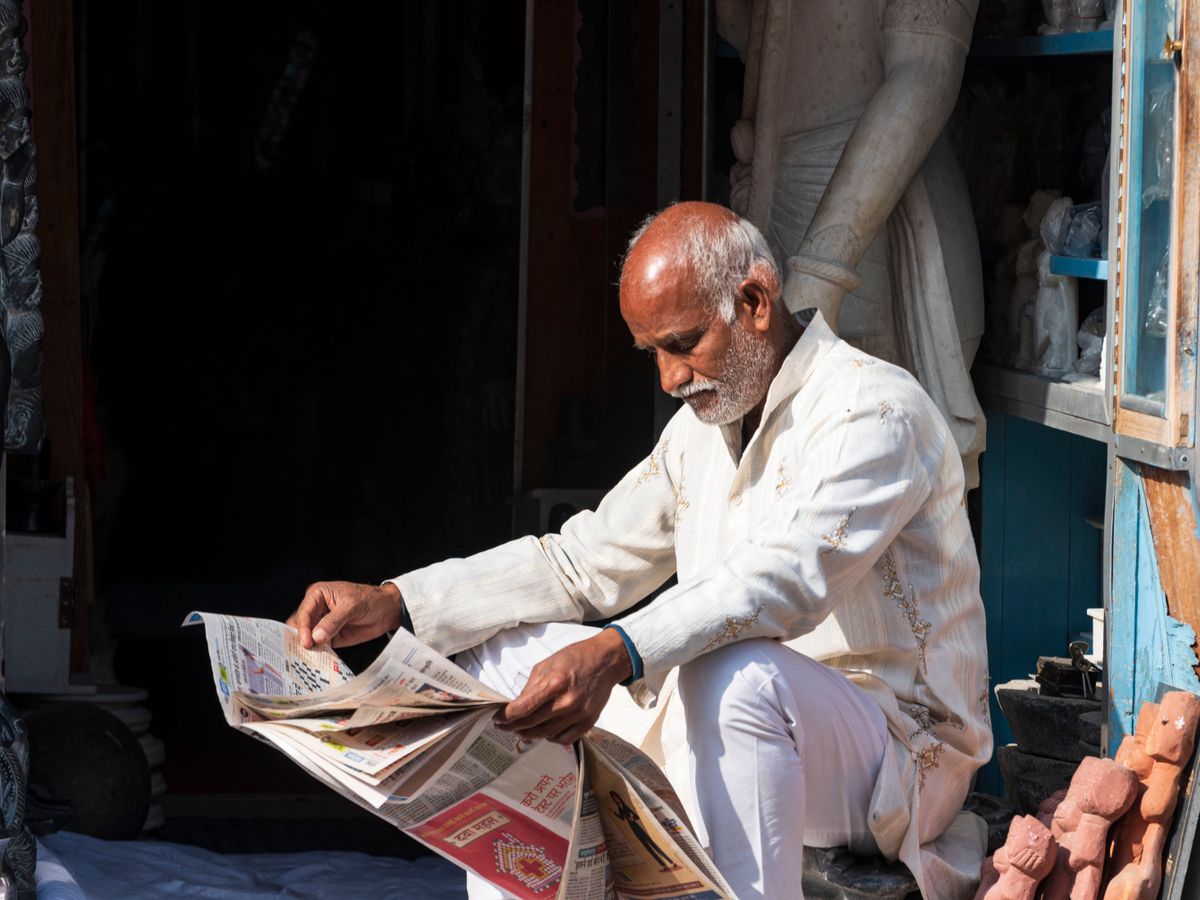
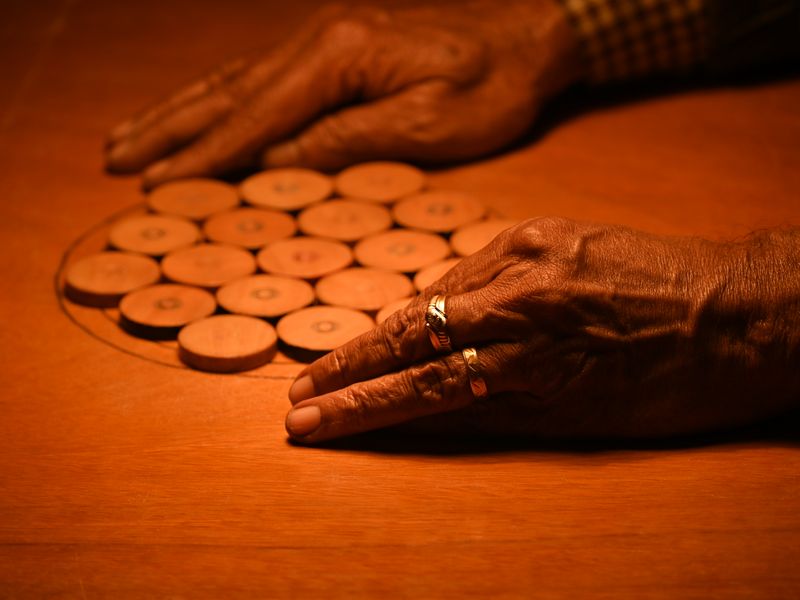
Newspapers read aloud, letters written home whether or not home writes back, carrom lost gracefully. The loneliness is the illness this house treats, and it is treated by exactly this.

  • A fixed weekly evening, five to seven
  • Marathi or Hindi readers especially welcome
  • You will be adopted by at least three residents; resistance is futile
Freegive time

In kind

The linen and spectacles list

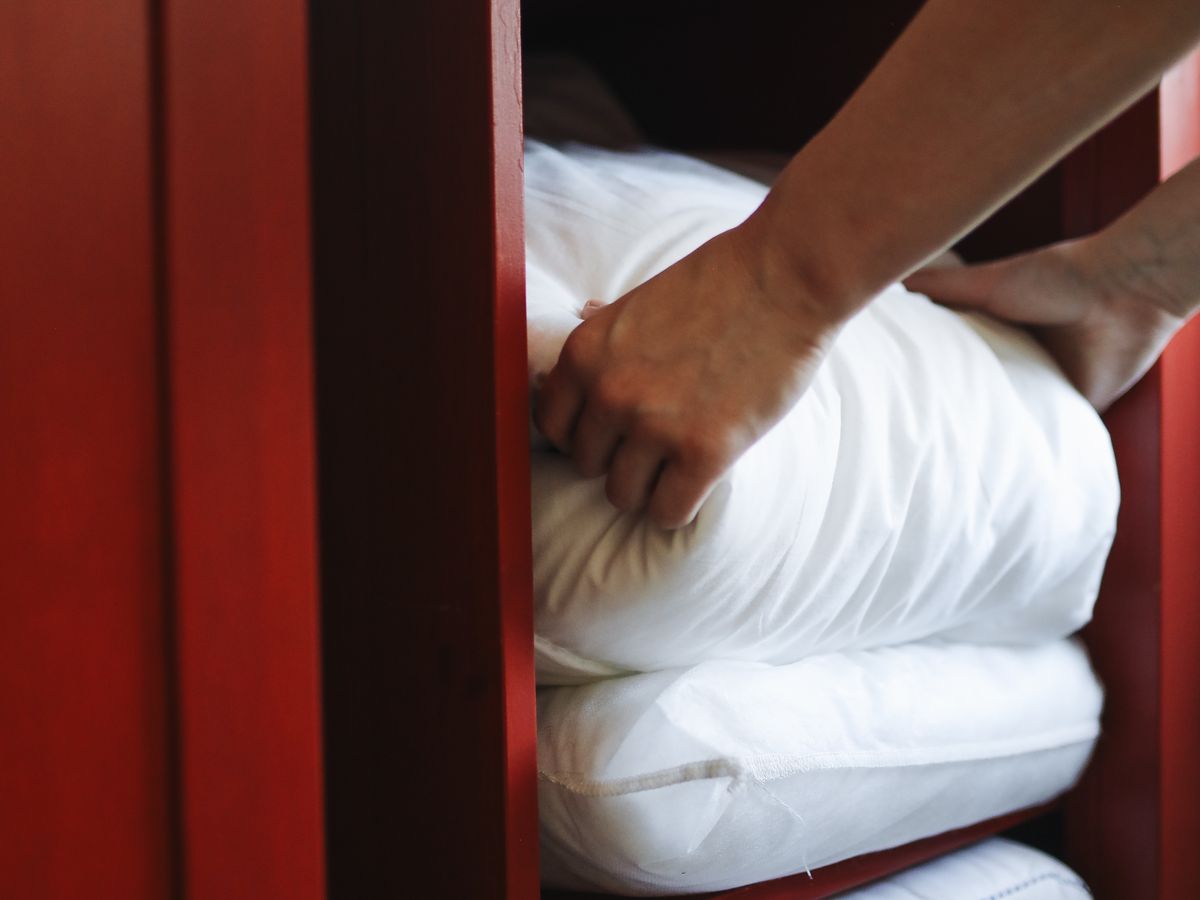
Bedsheets and towels wear out by the dozen; reading spectacles walk away in ones. Things from the home's own list — brought to the office, entered in the stock register.

  • The current shortfall list, updated monthly
  • New or genuinely good-as-new only
  • No used mattresses and no expired medicines — refused at the door, kindly
Freegive things

Pick the way you want to help and it lands in the form below. Picking another replaces it — this page records one intention at a time, not a basket. NO MONEY MOVES ON THIS PAGE: nothing is charged, deducted or collected here, and how giving actually happens is written under the form.

Pledge a way to help

On the ground

The house on an ordinary day

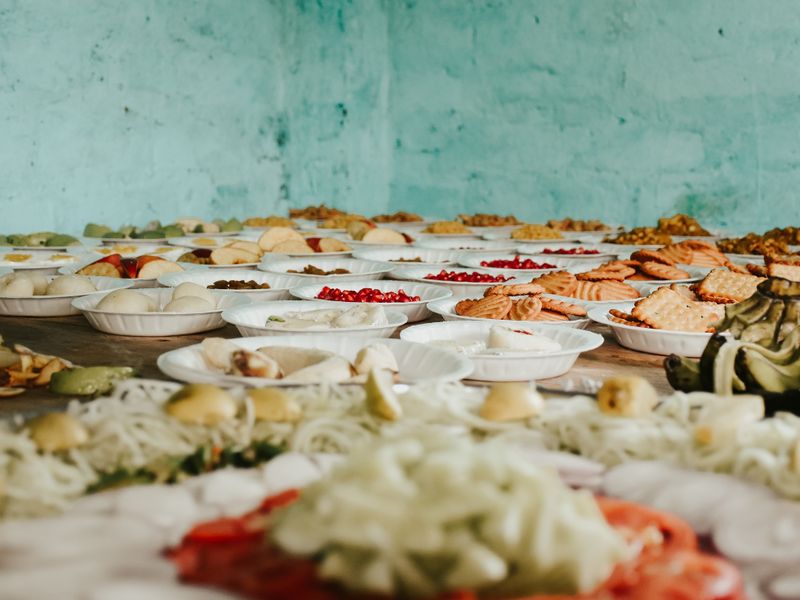
No frailty close-ups and no staged gratitude — the residents are people at home, not evidence. These frames are placeholders for your own house on a working day: the courtyard, the kitchen, the evening carrom. Faces only with written consent.

The courtyard in morning sun
Lunch being served in the hall
The evening carrom board

How giving actually happens

Paste the trust's bank account name, number and IFSC here, and the UPI ID if you use one — exactly as the bank has them. State plainly that nobody collects cash at the gate or door-to-door in the home's name.
This template takes no money and has no donate button on purpose. Publish the one real rail here and disown every other.

Words you have permission to print

A resident who wants to be quoted, or a volunteer, in their own words, with their name — collected with written, revocable consent.
Many residents' histories are painful and private; consent here must be real, informed and withdrawable. An empty slot is infinitely better than a story that costs a resident their dignity.

Your honest record

Last quarter's numbers, dated: residents housed, admissions and deaths both, money in and the itemised split of the ₹4,500. The audited annual figures go here exactly as the auditor wrote them.
A home for elders that never reports a death is hiding its register. The honest record includes the hard rows, and donors trust the record that does.

The frames above are placeholder photographs of the kind of work this page is about — not this organisation's own record, and never a person whose face buys sympathy. The slots below are deliberately blank: this is a template, and an invented beneficiary count, an invented donor or an invented 80G number would be a lie on a page asking people to give — and inventing the tax registration is an offence. Fill each slot with something real and checkable, then delete this line.

How it works

From this form to a receipted month

Three steps, and money moves only to the trust's account, only against a receipt.

  1. Tell us how you want to help

    The form records what you picked and how to reach you. Nothing is charged here — this page cannot take money, by design. Families seeking admission for an elder should call the office directly; that conversation deserves better than a web form.

  2. The office writes back

    Within the week, with the account details and receipt mechanics — and for a named remembrance month, the date it will be given and how the kitchen marks it.

  3. Come to an evening

    The quarterly sheet carries the register and the money's split. Better: come on a reading evening. The house's best audit is its courtyard at five o'clock.

Give here if

  • You want an elder's month funded at its real, itemised cost
  • You can give the rarer gift — a reliable weekly evening
  • You are honouring a parent with something quieter than marble

Give elsewhere if

  • You want residents' stories or photographs as a return on money — consent here is real and often withheld
  • You need a medical facility — this is a home with a nurse's round, and it tells families so in writing
  • You want this page to take your card number now — it will not, by design

Before you give

Questions people ask before giving

Is there a doctor on campus?

No, and we will not blur that. The home has a nurse's daily round, standing prescriptions managed with a local clinic, and a referral arrangement for anything beyond that scope. Families get this in writing before admission; donors get it in the second cell of this page.

How are residents admitted?

By the trust's committee, on need: elders without means or family support come first. There is a waiting list, it moves at the speed of the register's hardest rows, and we decline to dramatise either fact.

Why is your cost so much lower than assisted-living brochures?

Shared rooms in a rented house, a lean staff, no doctor on campus, no margin. The ₹4,500 is printed with its split in the quarterly sheet. Homes that charge ₹40,000 are often honest too — they are simply a different building with different promises. Ours are these.

Can I visit my sponsored elder?

You sponsor a month, not a person — residents are not allotted to donors. But visitors are the house's oxygen: come on reading evenings, festival afternoons, or any day the office confirms. Whether a particular resident wants company on a particular day remains, as it should, up to them.

Is my donation tax-deductible?

Only if the 80G cell at the top carries a current number, checkable on the income-tax portal. The office shares the certificate before any transfer; an empty cell means ask first.

The one thing this page asks

Pledge a way to help

One form, one intention. The office replies within the week — nothing is charged or collected here.

You want to help with

Nothing yet — pick a way to give above, or say it in the form.

Filled in when you pick a way to give above. You can also just type it.

The office replies here, once. No appeal calls follow.

Three required fields: a name, a way to reply, a channel. Deliberately absent: any amount field (the cards carry the itemised costs), any PAN (that belongs with the 80G receipt at donation time), any payment field (this page records intentions and takes nothing) — and any admission enquiry fields, because placing a parent in a home is a conversation the office owes families in person, not a dropdown.

Your details go to the trust's office for this one reply and are not added to any appeal list. Never sold, no fundraiser calls, and residents never learn who paid for what.