Skip to the pledge form
Chhatrapati Sambhajinagar Pledge a way to help

Trees · grown, not just planted · Chh. Sambhajinagar

Anyone can plant a tree. We keep it alive till it can cope.

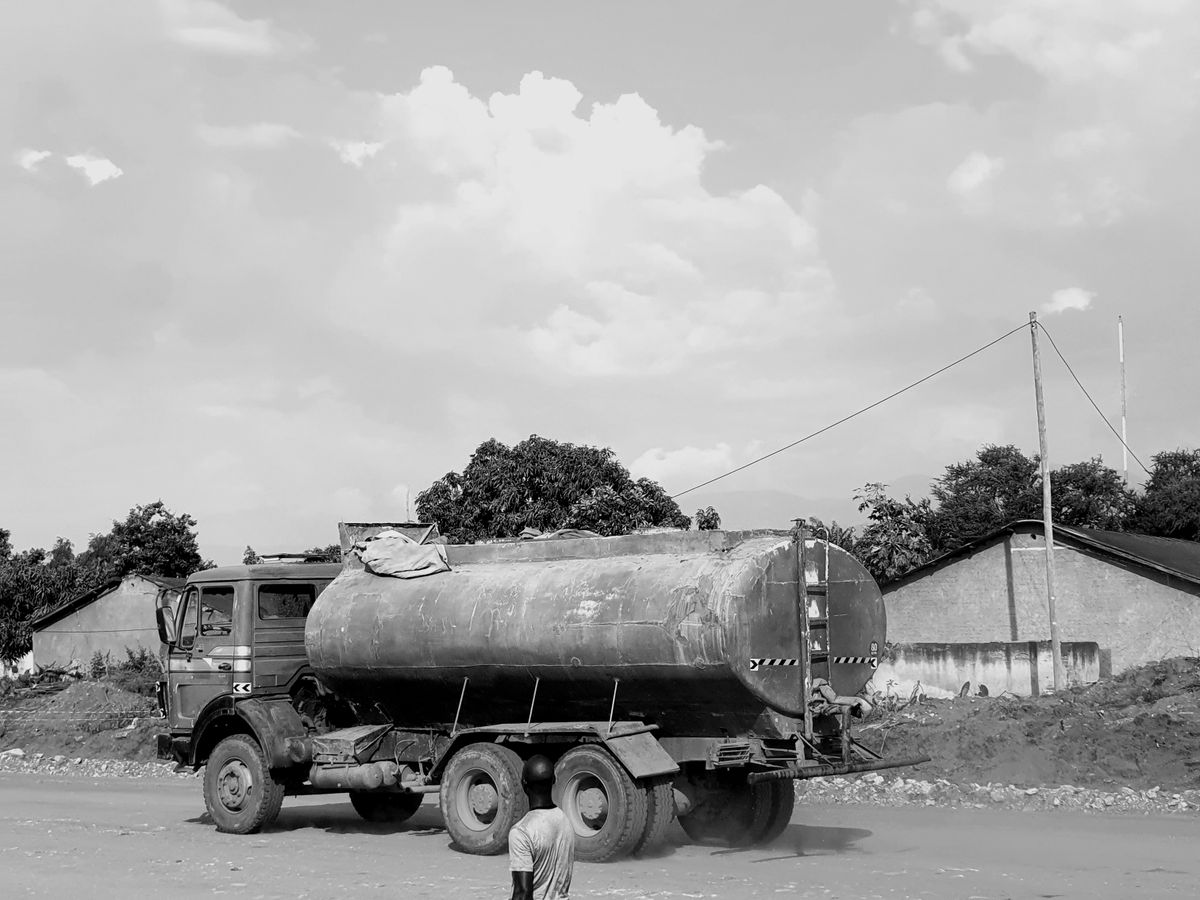
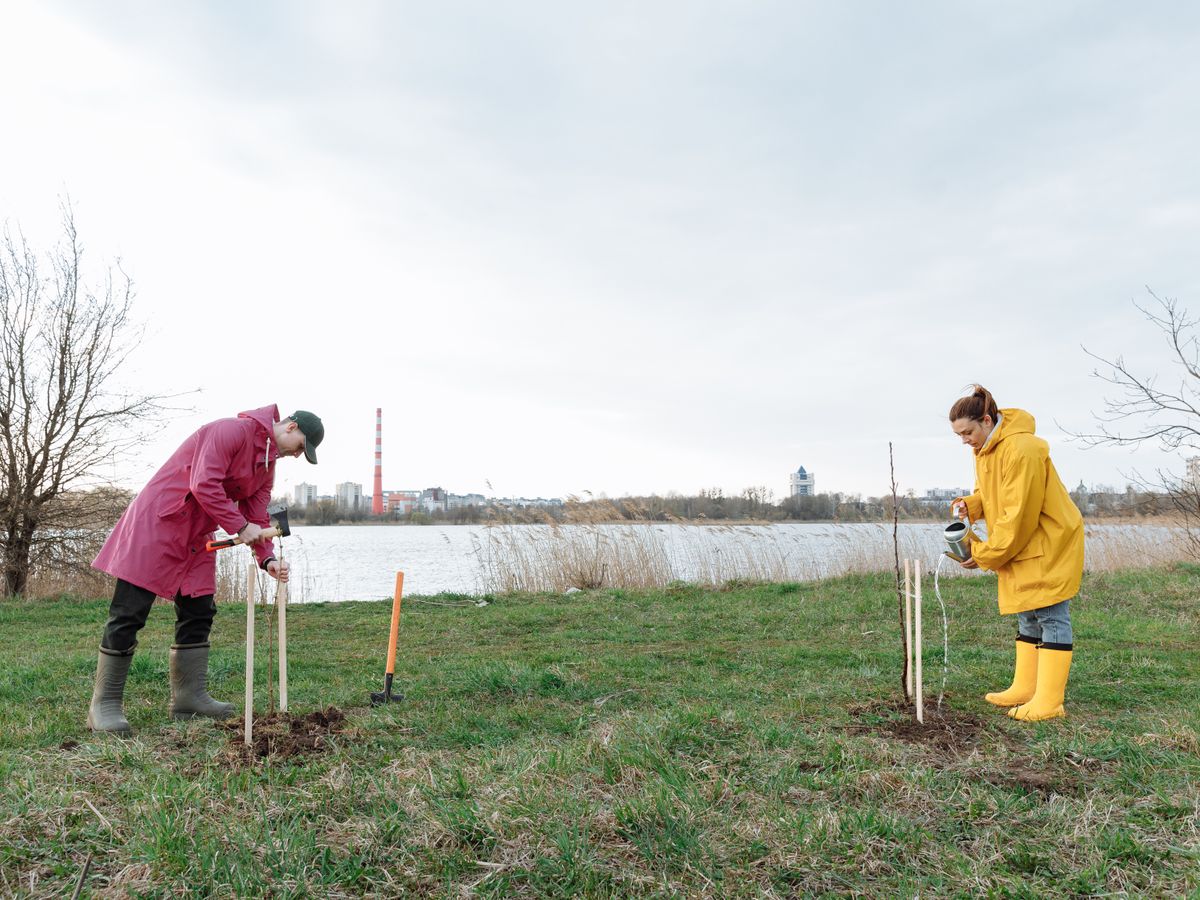
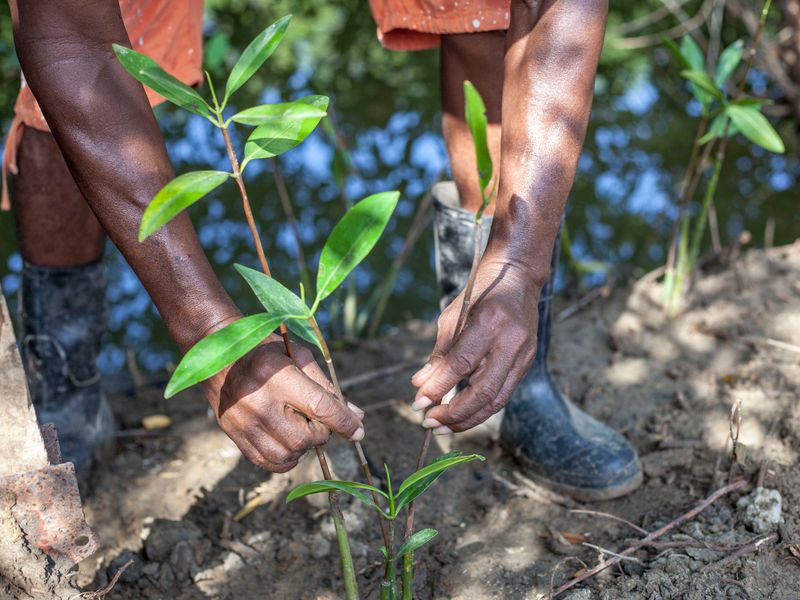
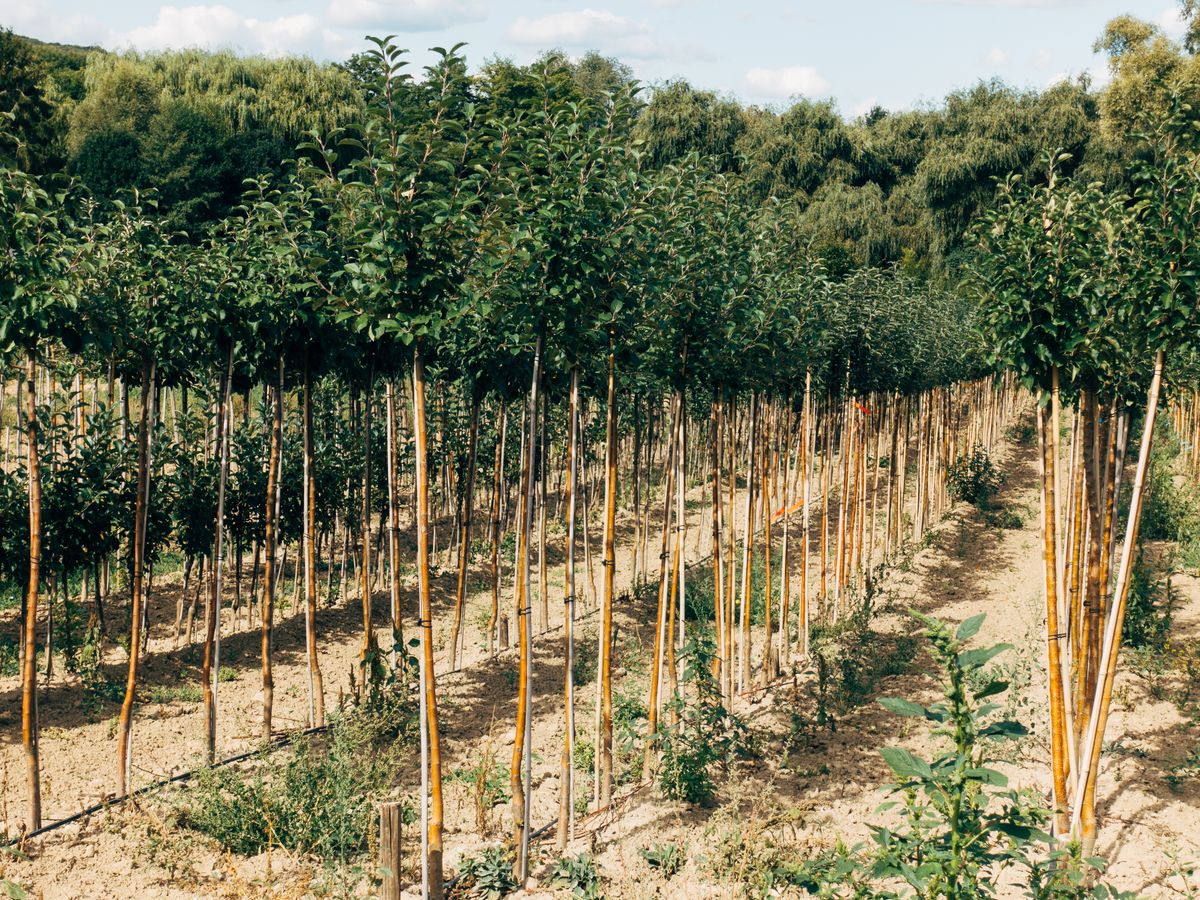
Sawali plants native, road-hardy species — neem, karanj, kadamb, peepal — on verges, school grounds and society edges in this hot city, and then does the unphotogenic part: water every third day through three summers, a guard ring against goats, and a register that admits which ones died. The price on every card is the whole three years, not the planting-day photo.

The work, this month
Water rounds every third day across 14 sites; this monsoon's pits being dug
Where
Verges, school grounds and society edges across Chhatrapati Sambhajinagar
How giving happens
Bank or UPI to the trust, receipted — never cash at a planting, never on this page

The site register lists every tree by site, species and state — alive, struggling, dead, replaced. Planting-day counts mean little in this climate; the register at year three is the only number worth your money.

For Donors who want a tree alive at year three, not photographed on day one · Families planting in a name they miss · Schools and societies with dusty ground and patience

A monsoon planting morning
Your 80G & 12A numbersgo here exactly as the certificates read, checkable on the income-tax portal — an invented registration is an offence; the empty cell is legal
Priced for three yearsevery tree's card carries the sapling AND the water, guard and care to year three — the part that decides everything
Deaths in the registertrees that die are recorded and replaced, not photographed out of existence — the survival column is public
₹0 on this pagenothing is collected here. A pledge is recorded, and the office replies with how giving actually works

These four are promises this page makes on your behalf. Keep them or change them — they are not decoration.

Ways to give or join

Ways to grow shade, costed openly

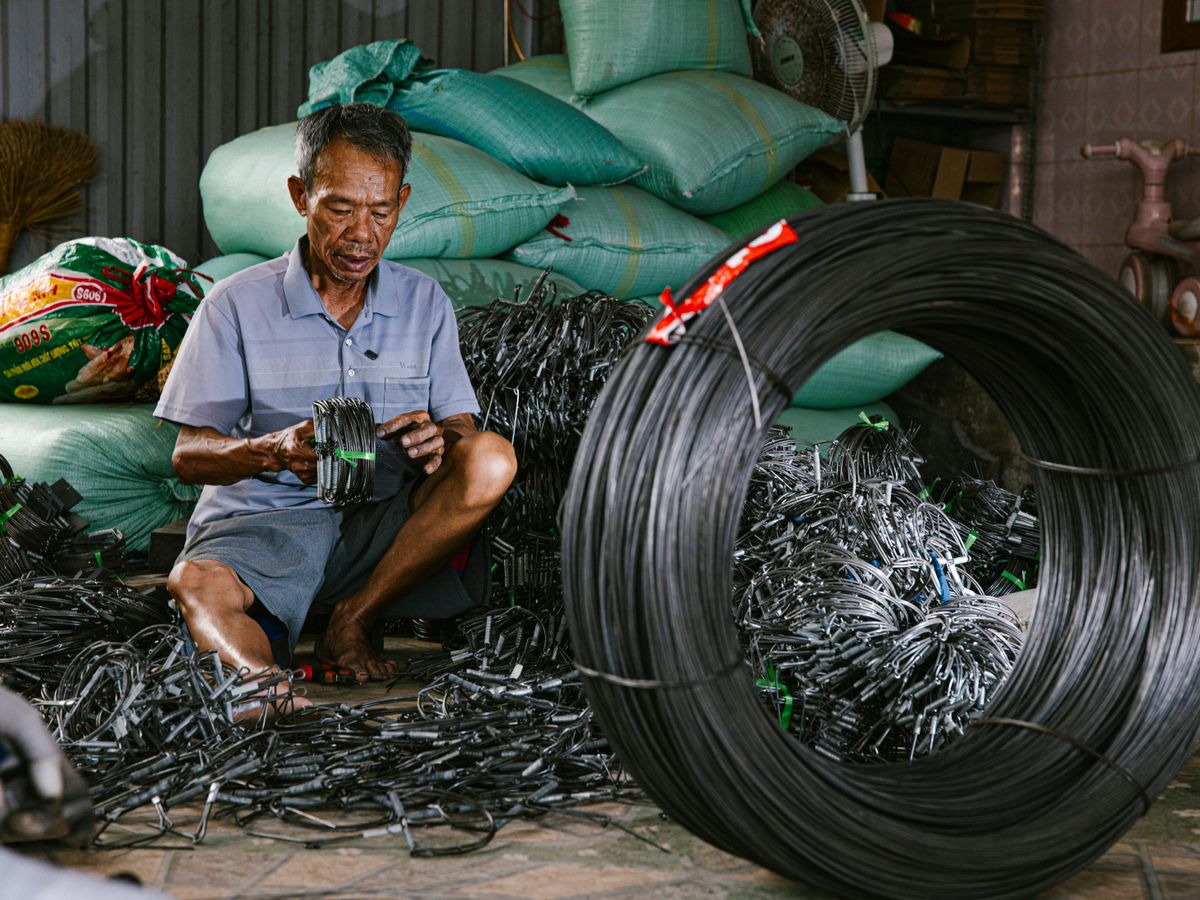
Every figure is the trust's actual three-year cost per tree in this dry city: the native sapling from the nursery, the pit and compost, the welded guard ring, and — the biggest line by far — thirty months of every-third-day water rounds by tanker and hand. Cheaper per-tree numbers exist in the world; most of them stop counting on planting day.

One-time

One tree, grown to year three

Sapling, pit, compost, guard ring, and its share of thirty months of watering. Planted in monsoon, entered in the register, replaced once free if it dies in year one.

  • A native species suited to the site, not a donor's fancy
  • Its row in the site register — site, species, state
  • Replaced without charge if lost in the first year
₹850per tree, 3 years
One-time

A grove of ten, in a name

Ten trees on one site, planted the same monsoon — the remembrance families ask for. The name lives in the register; the trust does not sell plaques and the verge does not carry them.

  • Ten natives on a single named site
  • The site's register page shared each year for three years
  • You may join the planting morning — it is good mud
₹8,500ten trees, 3 years

Monthly

The water tanker, one summer month

April and May decide which trees see year two. One month of the hired tanker's rounds plus the waterman's wage share, priced at this summer's rates.

  • A month of every-third-day rounds across all sites
  • The tanker log — dates, sites, litres — open to donors
  • The card the register is most grateful for
₹2,600a month

Volunteer

A Sunday on the water round

Buckets, a crowbar for crusted basins, and the slow discovery of which of the fourteen sites' trees you have opinions about. Two hours, one Sunday a month, October to June.

  • A fixed Sunday round with the waterman
  • Tools and the tanker rendezvous on the trust
  • Closed shoes and a hat on you — this city's sun is not a metaphor
Freegive time

In kind

The guard-ring workshop shelf

Weldmesh offcuts, binding wire, old paint for the rings, crowbars and buckets that still hold water. Things, not money — dropped at the workshop, entered in the stock book.

  • The workshop's shortfall list, updated monthly
  • Materials measured in while you watch
  • No plastic tree guards — they shred into the verge within a year
Freegive things

Pick the way you want to help and it lands in the form below. Picking another replaces it — this page records one intention at a time, not a basket. NO MONEY MOVES ON THIS PAGE: nothing is charged, deducted or collected here, and how giving actually happens is written under the form.

Pledge a way to help

On the ground

The sites through the year

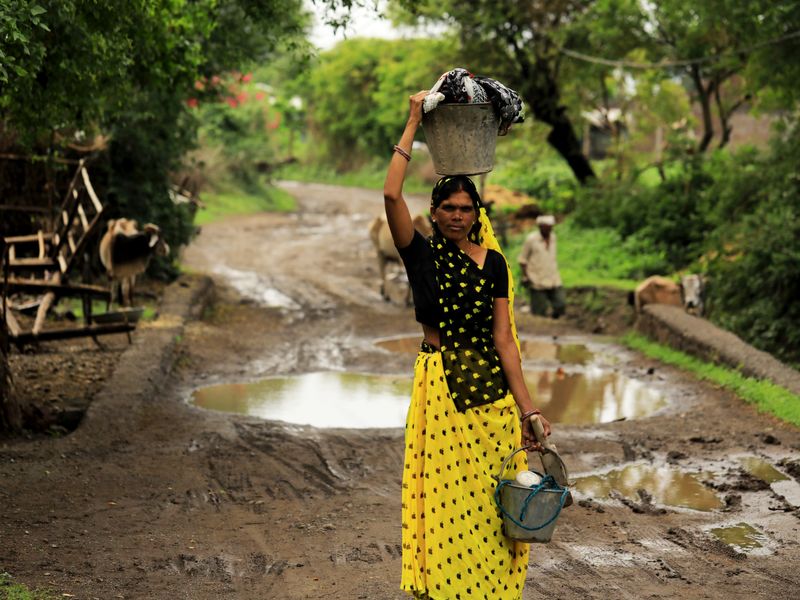
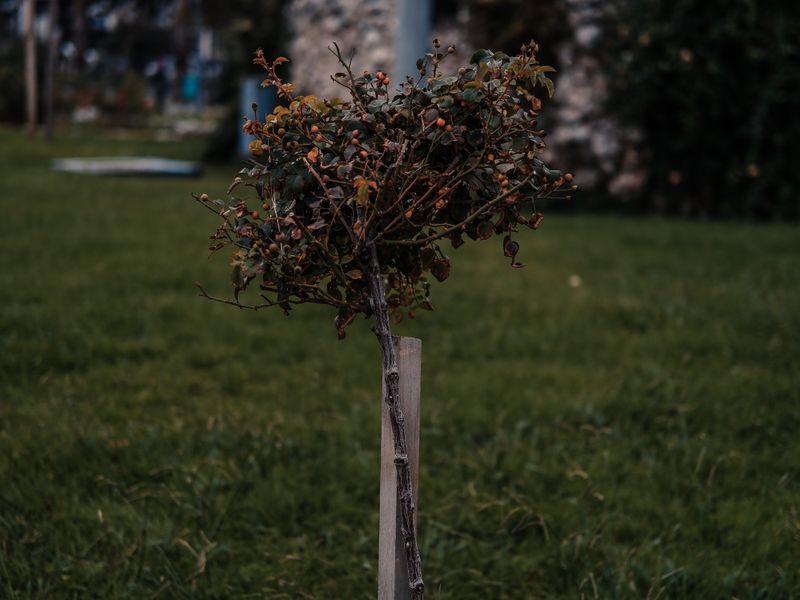
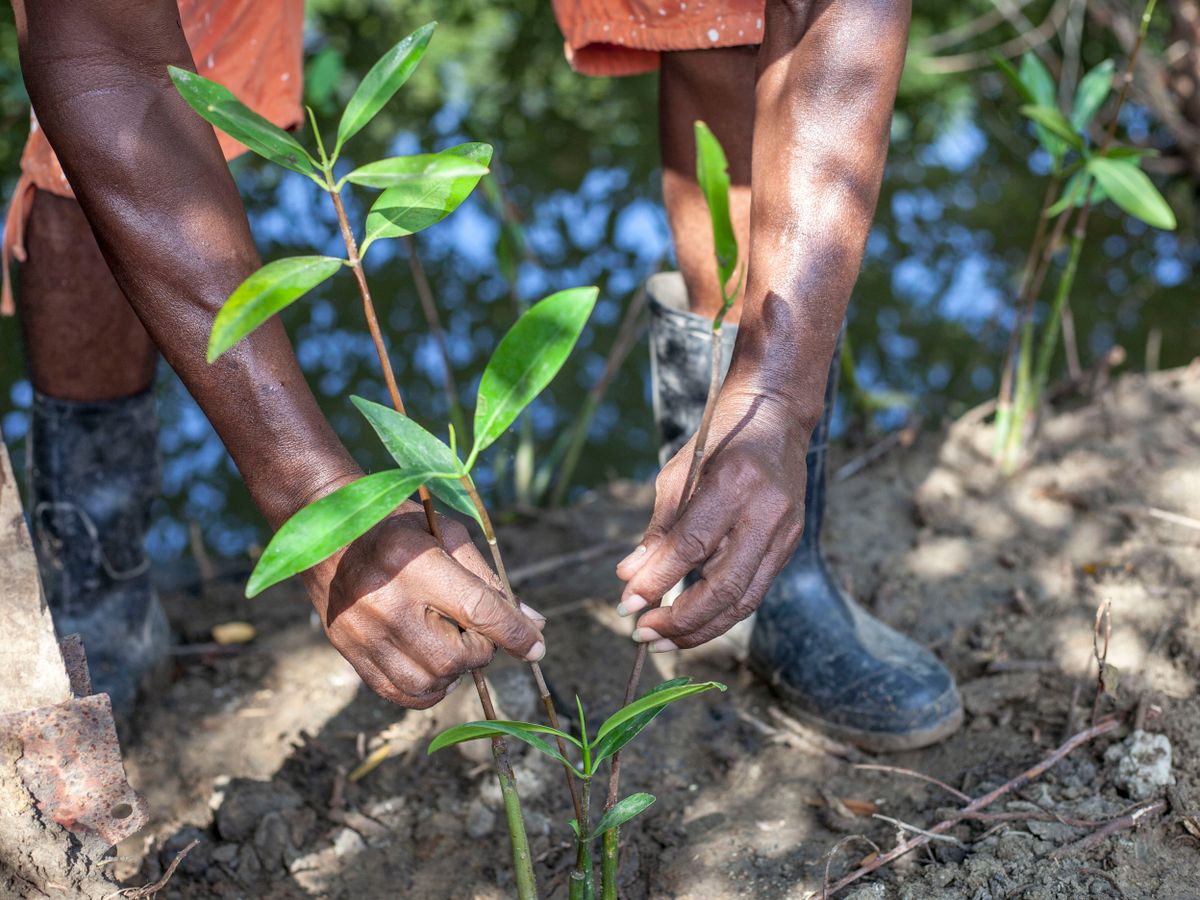
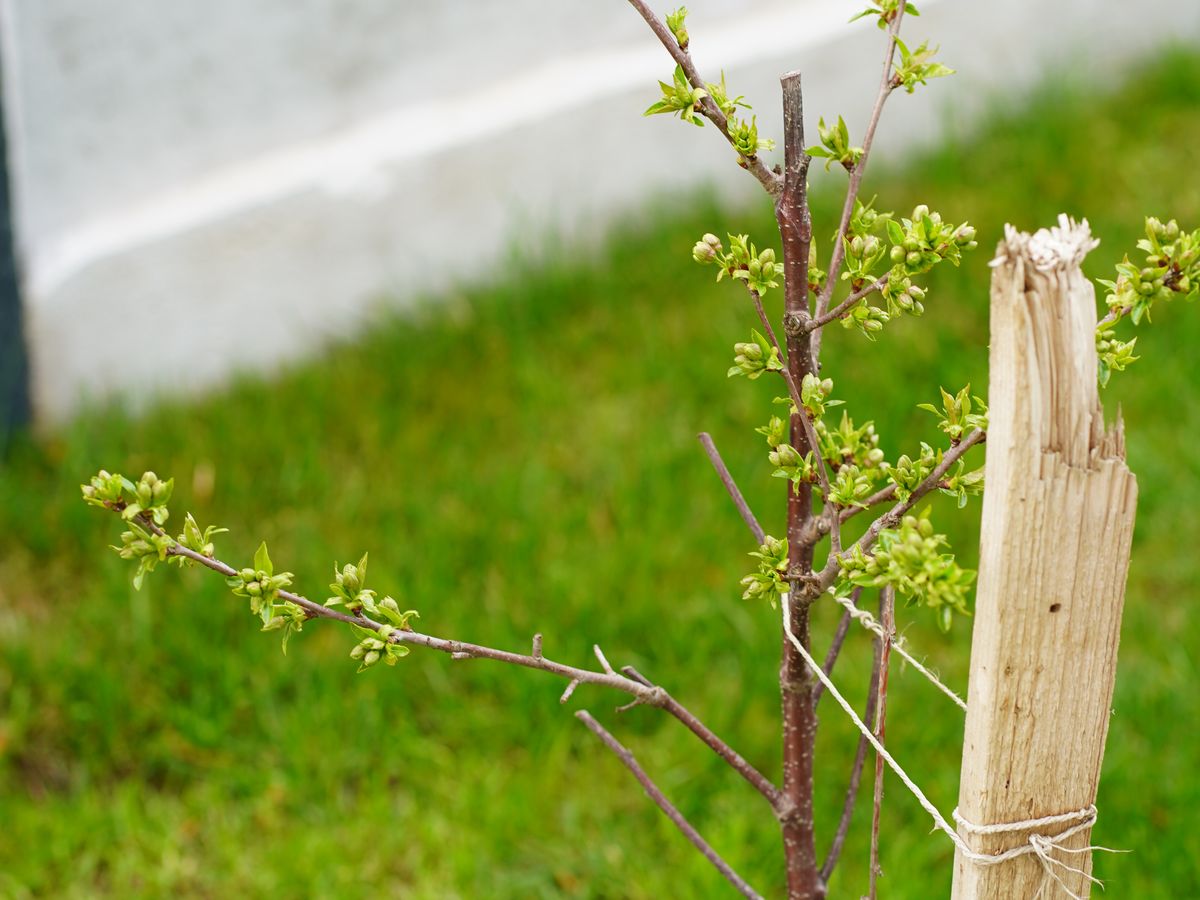
No drone sweeps of other people's forests. These frames are placeholders for your own sites in their honest states — a monsoon planting, a summer water round, a three-year-old casting its first real shade.

A monsoon planting morning
The summer water round
A young neem at year three

How giving actually happens

Paste the trust's bank account name, number and IFSC here, and the UPI ID if you use one — exactly as the bank has them. State plainly that nobody collects cash at plantings in the trust's name.
This template takes no money and has no donate button on purpose. Publish the one real rail here and disown every other.

Words you have permission to print

A school head whose ground you planted, a society secretary, or the waterman — in their own words, with their name, collected with written permission.
The best sentence this page can carry is from someone who stands in the shade. Ask them, print it exactly, or leave the slot empty.

Your honest record

The register's summary, dated: trees planted by year, alive / struggling / dead / replaced by site, money in and what it bought. The audited annual figures go here exactly as the auditor wrote them.
Never a lifetime 'trees planted' total without the survival column beside it — in this trade the first number without the second is the lie. Print both or neither.

The frames above are placeholder photographs of the kind of work this page is about — not this organisation's own record, and never a person whose face buys sympathy. The slots below are deliberately blank: this is a template, and an invented beneficiary count, an invented donor or an invented 80G number would be a lie on a page asking people to give — and inventing the tax registration is an offence. Fill each slot with something real and checkable, then delete this line.

How it works

From this form to shade

Three steps, and money moves only to the trust's account, only against a receipt.

  1. Tell us how you want to help

    The form records what you picked and how to reach you. Nothing is charged here — this page cannot take money, by design. Schools and societies offering ground use the same form; there is a choice for you below.

  2. The office writes back

    Within the week, with the account details and receipt mechanics — and for tree and grove pledges, the site and species proposed, before any money moves.

  3. Read the register in year three

    Your tree's row is updated through three years: alive, struggling, replaced. The trust's whole reputation is that column, and you are invited to come and argue with it under the tree itself.

Give here if

  • You want the watering funded, not just the photograph
  • You accept native species chosen for the site over ornamentals chosen for the eye
  • You have ground — a school, a society edge — and three years of patience

Give elsewhere if

  • You want ten thousand saplings photographed in one weekend — we plant what we can water
  • You want a plaque bolted to a verge — the register holds names; the city holds shade
  • You want this page to take your money now — it will not, by design

Before you give

Questions people ask before giving

Why does one tree cost ₹850 when big drives quote ₹100?

Because our card buys thirty months of water, a welded guard and a replacement promise, and theirs usually buys a sapling and a photograph. Large NGOs with drip lines and scale genuinely do it for less; a verge tree in this city, watered by tanker, costs what our card says. The tanker log is open — divide it yourself.

How many trees have you planted?

The register says, year by year, with the survival column beside it — and that second column is the only reason to trust the first. We do not quote a lifetime planting total on its own, here or anywhere, because in this trade that number alone is how donors get fooled.

Can I choose the species or the spot?

You can choose the site from our open list; the species is chosen by what survives there — neem and karanj where it is brutal, kadamb where there is water in the soil. A trust that plants a donor's favourite ornamental on a west-facing verge is selling flowers, not shade.

Do you plant on government land?

Verge and divider plantings are done under the corporation's permissions, in writing, and school-ground plantings with the school's management — copies travel with each site's register page. Ground we cannot get permission for, we do not plant, however photogenic.

Is my donation tax-deductible?

Only if the 80G cell at the top carries a current number, checkable on the income-tax portal. The office shares the certificate before any transfer; an empty cell means ask first.

The one thing this page asks

Pledge a way to help

One form, one intention. The office replies within the week — nothing is charged or collected here.

You want to help with

Nothing yet — pick a way to give above, or say it in the form.

Filled in when you pick a way to give above. You can also just type it.

The office replies here, once. No appeal calls follow.

Three required fields: a name, a way to reply, and which conversation this is — a donor, a bucket-carrier and a school head need different replies. Deliberately absent: any amount field (the cards carry the three-year costs), any PAN (that belongs with the 80G receipt at donation time), and any payment field — this page records intentions and takes nothing.

Your details go to the trust's office for this one reply and the water-round rota if you volunteered. Never sold, no appeal calls.